

Alumina Ceramic Substrates: Paving the Way in Thermal Modules
In today's demanding electronics landscape, thermal management has become a critical challenge. Shaanxi Puwei Electronic Technology Co., Ltd. leverages advanced Alumina Ceramics to provide superior thermal solutions for high-power applications across multiple industries.
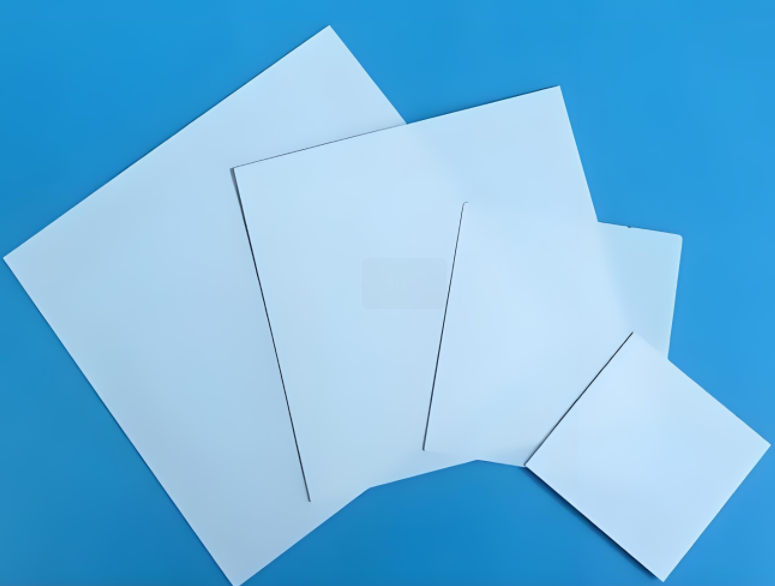
Key Advantages of Alumina Ceramic Substrates
Superior Thermal Management
Our 96 Alumina Ceramic Substrate offers exceptional thermal conductivity (24-28 W/mK), enabling efficient heat dissipation in high-power density applications.
Electrical Insulation Excellence
Combining thermal conduction with electrical isolation makes Al2O3 ceramic substrates ideal for power electronics and RF circuits.
- High dielectric strength (>10 kV/mm)
- Low dielectric loss at high frequencies
- Excellent thermal shock resistance
- Mechanical stability under thermal cycling
Critical Applications in Thermal Modules
Power Semiconductor Ceramic Substrate
Essential for IGBT modules and power converters, our substrates ensure reliable performance in Thermoelectric Cooling Modules Ceramic systems.
Automotive Electronics Thermal Management
Electric vehicle power electronics and battery management systems rely on our high thermal conductivity ceramic substrates for safe operation.
RF and Microwave Circuits
5G infrastructure and radar systems benefit from the stable dielectric properties of our alumina substrates.
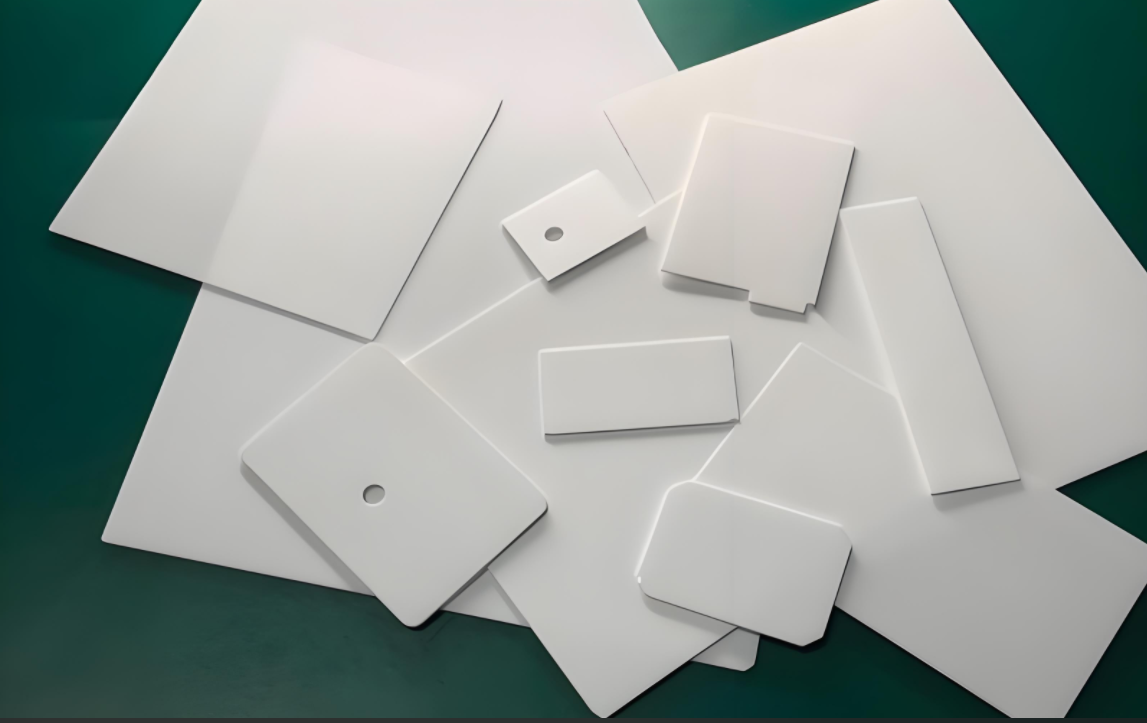
Advanced Manufacturing Capabilities
Puwei employs state-of-the-art sintering technology to produce dense, high-quality Alumina Ceramic Structural Components with precise dimensional control.
Quality Assurance Steps
- Raw material purity verification (96% Al₂O₃ minimum)
- Precision pressing and forming
- High-temperature sintering optimization
- Surface finishing and flatness testing
- Final inspection and performance validation
Latest Industry Technology Trends
Recent advancements focus on enhancing thermal performance in Thermoelectric Modules Ceramic Substrate applications. New surface metallization techniques improve bond strength in Ceramic Insulating Substrates For TEC, while advanced polishing methods achieve sub-micron surface finishes for superior thermal interface.
5 Key Considerations for Substrate Selection
- Thermal Conductivity: Match to power density requirements
- Dielectric Properties: Ensure electrical isolation performance
- Mechanical Strength: Consider vibration and shock requirements
- Surface Quality: Critical for thermal interface efficiency
- Customization Capability: Flexibility for unique application needs
Frequently Asked Questions
Why choose 96% alumina over other purity levels?
96% Alumina Ceramic Substrates offer the optimal balance of thermal performance, mechanical strength, and cost-effectiveness for most thermal module applications.
Can alumina substrates be customized for specific thermal modules?
Yes, Puwei specializes in custom ceramic substrates with precise dimensions, hole patterns, and surface finishes to match exact Alumina Ceramic Disc and substrate requirements.
What temperature ranges can alumina substrates withstand?
Our substrates maintain structural integrity from cryogenic temperatures up to 1600°C, making them suitable for extreme environment applications.
As thermal management challenges intensify with advancing electronics, 96% Alumina Ceramic Substrates continue to provide reliable, high-performance solutions. Puwei's expertise ensures optimal thermal module performance across diverse applications from automotive to telecommunications.