

For decades, high-power hybrid integrated circuits have predominantly utilized Al₂O₃ (alumina) and BeO (beryllia) ceramics as substrate materials. However, Al₂O₃ suffers from low thermal conductivity (24–30 W/(m·K)) and a thermal expansion coefficient (CTE) mismatched with silicon, while BeO, despite its superior comprehensive performance, faces limitations due to high production costs and toxicity. Consequently, neither material meets the evolving demands of modern high-power electronic devices in terms of performance, cost, and environmental sustainability.
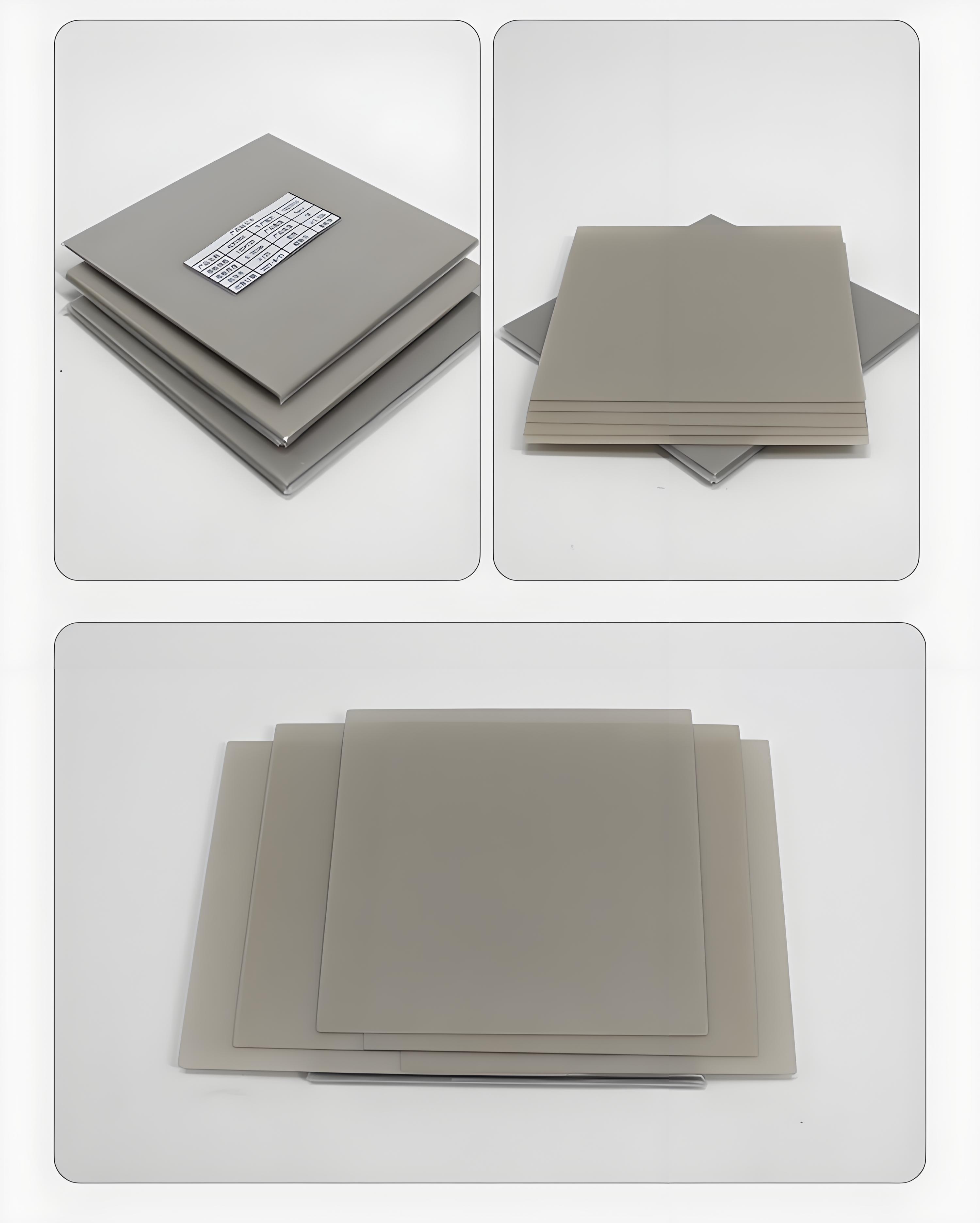
Aluminum nitride (AlN) ceramics, with their exceptional properties, have emerged as a next-generation advanced ceramic material. Their high thermal conductivity, low dielectric constant, low dielectric loss, excellent electrical insulation, silicon-matched CTE, and non-toxicity make them ideal for high-density, high-power, and high-speed integrated circuit substrates and packaging. Among these attributes, high thermal conductivity stands out as AlN’s most critical characteristic. Theoretically, AlN’s thermal conductivity can reach 320 W/(m·K), governed by phonon-mediated heat transfer—a process driven by lattice vibrations (phonons) propagating through the crystal structure.
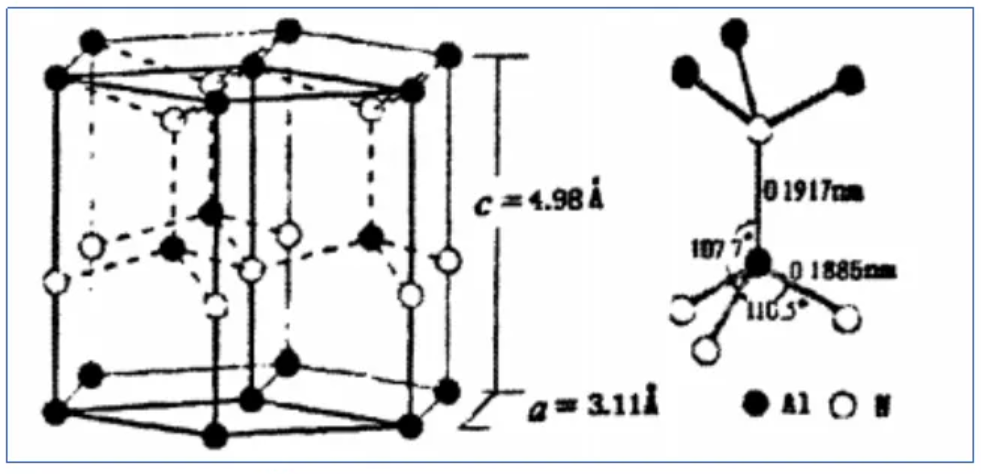
Challenges in Achieving Theoretical Thermal Conductivity
As an insulating ceramic, heat transfer in AlN occurs via atomic lattice vibrations (phonon conduction), where phonons act as the primary carriers of thermal energy. However, the practical thermal conductivity of AlN products falls far short of the theoretical value due to impurities and crystal defects, which disrupt phonon propagation.
1. Oxygen Impurities: The Dominant Factor
AlN powder typically contains impurity elements such as oxygen, carbon, and trace metal ions. Oxygen, in particular, plays a decisive role in degrading thermal conductivity. Key mechanisms include:
Surface Oxidation: AlN is prone to hydrolysis and oxidation, forming an Al₂O₃ layer on its surface. This Al₂O₃ dissolves into the AlN lattice, generating aluminum vacancies (V<sub>Al</sub>).
Oxygen Incorporation into the Lattice: Oxygen’s strong affinity for AlN allows it to readily substitute nitrogen (N) sites within the lattice. At oxygen concentrations [O] < 0.75%, oxygen atoms uniformly occupy N sites, accompanied by aluminum vacancies. At [O] ≥ 0.75%, oxygen triggers structural distortions, altering aluminum site occupancy and forming octahedral defects. Higher oxygen concentrations induce extended defects, including oxygen-rich stacking faults, inversion domains, and polytypic transformations.
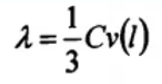
These oxygen-related defects drastically increase phonon scattering cross-sections, shortening the phonon mean free path (MFP)—a critical parameter governing thermal conductivity. The thermal conductivity (κ) of a material is expressed as:
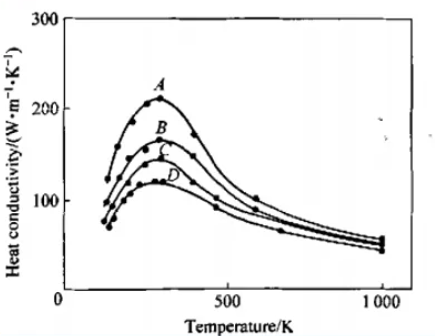 The relationship between the thermal conductivity of aluminum nitride (AlN) and temperature
2.Other Defect Mechanisms
Grain Boundaries: Polycrystalline AlN contains grain boundaries that scatter phonons, further reducing MFP.
Voids and Porosity: Residual pores from sintering act as phonon scattering centers.
Secondary Phases: Impurities like carbides or metallic residues form secondary phases, disrupting lattice continuity.
Strategies for Mitigation
To approach AlN’s theoretical thermal conductivity, advanced synthesis techniques focus on:
High-Purity Raw Materials: Minimizing oxygen (<100 ppm) and metallic impurities during powder synthesis.
Controlled Sintering: Using additives like Y₂O₃ to suppress oxygen incorporation while promoting densification.
Defect Engineering: Tailoring grain size and orientation to minimize grain boundary scattering.
While AlN’s theoretical thermal conductivity of 320 W/(m·K) remains elusive in commercial products, ongoing advances in material purification, defect control, and process optimization are narrowing this gap. Overcoming oxygen-related defects remains the cornerstone for unlocking AlN’s full potential in high-power electronics, where thermal management is paramount.