

Alumina Ceramics – Versatile Technical Material for Advanced Industrial Applications
Shaanxi Puwei Electronic Technology Co., Ltd. explores the critical role of alumina ceramics in modern industrial and electronic sectors. As a leading provider of 96% Alumina Ceramic Substrates, we highlight how this material drives innovation in semiconductor, automotive, and RF microwave applications.
Key Properties of Alumina Ceramics
Alumina (Al₂O₃) ceramics offer a unique combination of properties essential for demanding environments:
- High mechanical strength
- Excellent temperature and corrosion resistance
- Outstanding electrical insulation
- Good thermal conductivity
- High hardness and wear resistance
- Smooth surface finish
These characteristics make Al2O3 ceramic substrates ideal for high-power and high-frequency applications.
Applications in Advanced Industries
Power Semiconductor Ceramic Substrate
Used in IGBTs and power modules, our 96 Alumina Ceramic Substrate ensures efficient heat dissipation and electrical isolation.
LED Ceramic Substrate
Provides thermal management solutions for high-brightness LED lighting systems.
Laser Diode Ceramic Heat Sink
Critical for thermal management in high-power laser systems, utilizing Alumina Ceramic Structural Components.
Automotive Electronics Ceramic Substrate
Ensures reliability in engine control units and sensors under extreme temperatures.
Microwave RF Ceramic Substrate
Enables stable signal transmission in 5G and radar systems using low-loss Alumina Ceramics.
Latest Industry Technology Trends
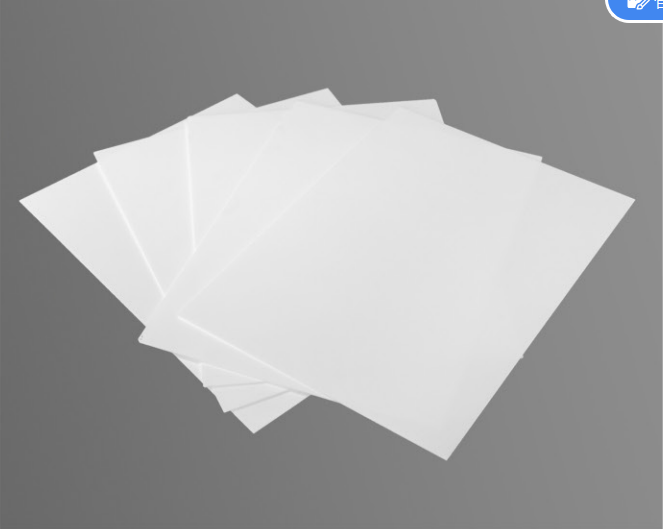
Recent advancements focus on enhancing thermal conductivity and miniaturization. 96% Alumina Ceramic Substrates now support higher power densities in electric vehicles and 5G infrastructure. Innovations in Thermoelectric Cooling Modules Ceramic substrates enable precise temperature control in medical devices.
Customized Solutions for Specific Needs
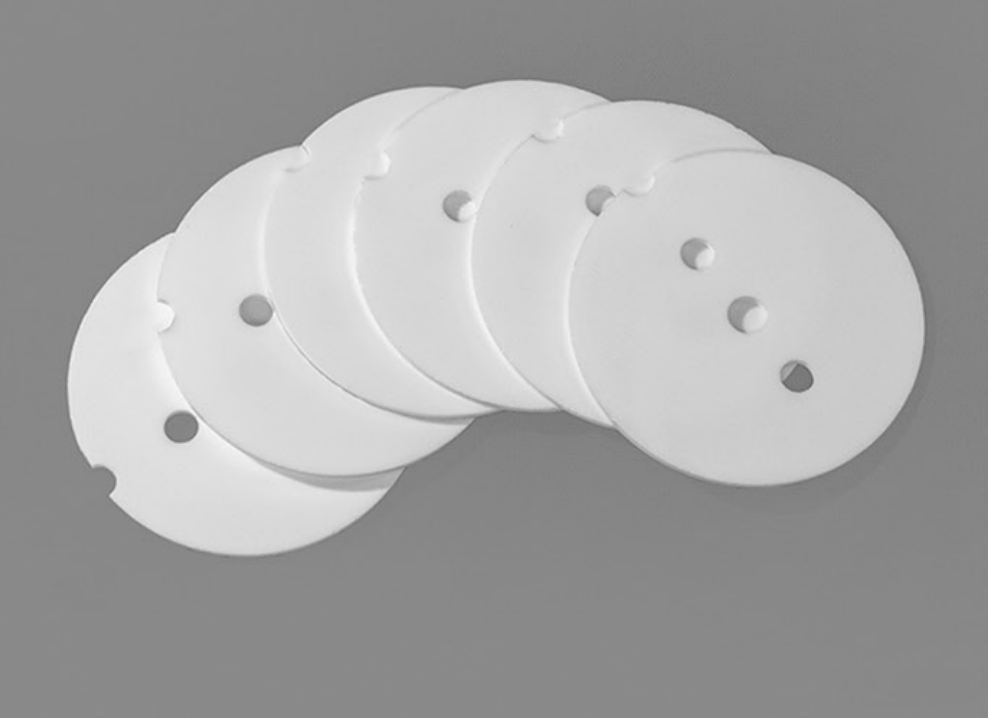
Puwei offers tailored custom ceramic substrates in forms like discs, plates, and tubes. Our Alumina Ceramic Disc components are engineered to meet precise dimensional tolerances for applications in Ceramic Insulating Substrates For TEC systems.
Frequently Asked Questions
What makes 96% Alumina Ceramic ideal for power devices?
Its balanced thermal conductivity (24-28 W/mK) and dielectric strength (>10 kV/mm) ensure reliability in power semiconductor ceramic substrate applications.
Can alumina substrates withstand high-temperature environments?
Yes, they operate stably up to 1600°C, making them suitable for high-temperature ceramic substrates in aerospace and automotive sectors.
How does Puwei ensure quality in substrate manufacturing?
We employ advanced sintering and laser machining to achieve <0.5% dimensional variance, critical for Thermoelectric Modules Ceramic Substrate performance.
Key Steps in Selecting Alumina Ceramic Substrates
- Define operational temperature range and thermal conductivity requirements
- Specify dielectric properties based on application voltage
- Choose surface finish and dimensional accuracy needs
- Validate compatibility with assembly processes (e.g., thick-film printing)
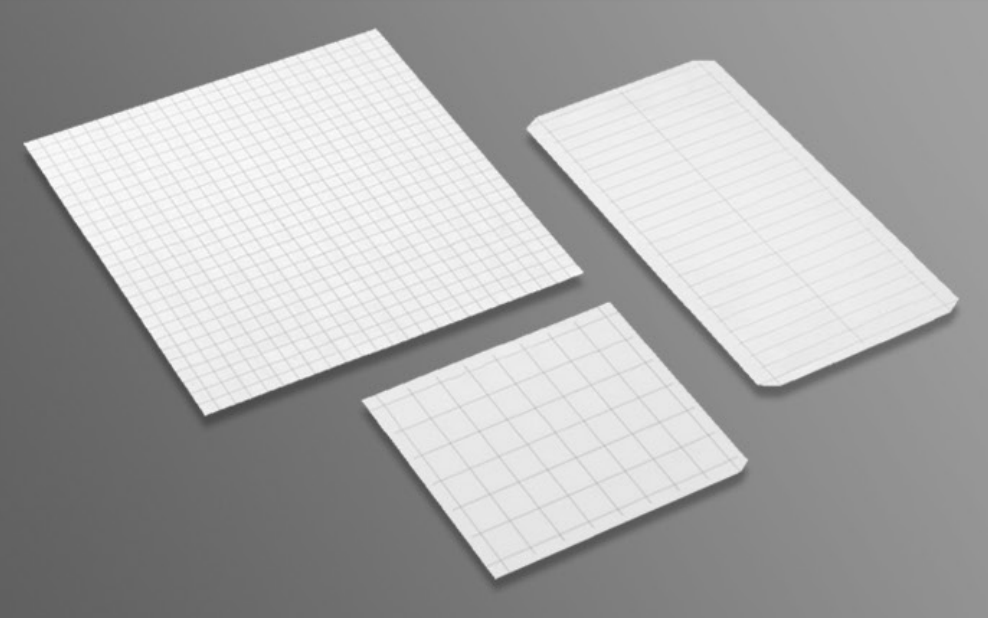
Our thick-film ceramic substrates are optimized for these parameters, ensuring seamless integration.
As industries push performance boundaries, Alumina Ceramic Substrates remain indispensable. Puwei’s expertise in Alumina Ceramic Structural Components delivers solutions for tomorrow’s challenges in electronics, energy, and beyond.