

Hybrid integrated circuits are advanced electronic assemblies that combine at least two components, including one active element, on an insulating ceramic substrate pre-patterned with conductive paths through thick-film or thin-film processes. These substrates serve as the mechanical support and deposition platform for both passive materials and active chip components.
In Hybrid integrated circuits manufacturing, ceramic substrates play a dual role: providing mechanical stability and ensuring compatibility with resistive, dielectric, and conductive layers. Common materials used include alumina (Al₂O₃), beryllia, silicon oxide, and aluminum nitride. However, high-purity alumina ceramics are the most widely used due to their cost-efficiency, stable electrical insulation, and smooth surface.
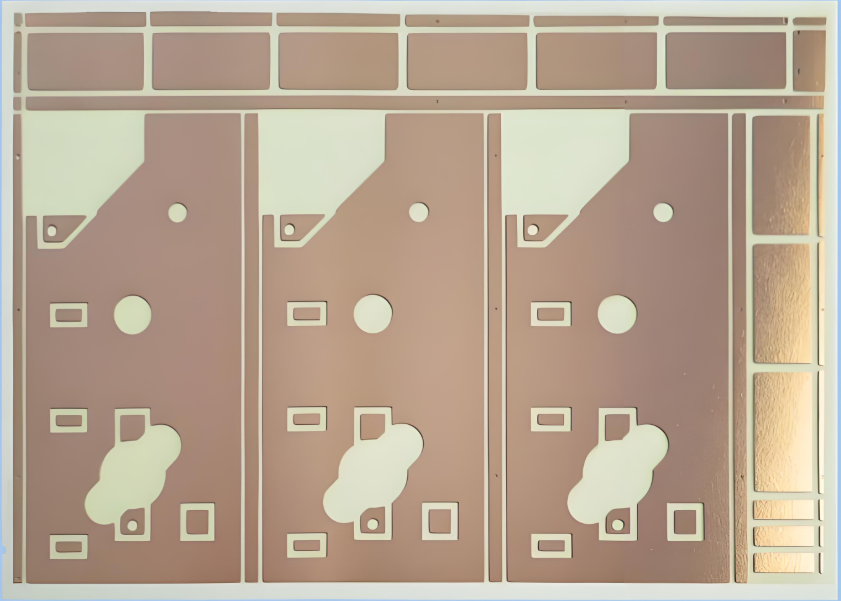
Shaanxi Puwei Electronic Technology Co., Ltd. offers ceramic substrates in various alumina purities to meet different circuit process demands:
- 99.6% Alumina Substrate: Ideal for thin-film circuits, where high surface smoothness and electrical insulation are critical.
- 96% Alumina Substrate: A reliable and cost-effective solution for thick-film circuits, providing sufficient performance at a lower cost.
- For multilayer co-fired circuits, 90–95% alumina green sheets are typically used as base materials.
Our ceramic substrates are widely used in aerospace, communications, military electronics, industrial automation, and consumer electronics. We ensure tight control over material purity, thickness, and surface quality, supporting complex and miniaturized circuit designs.
Learn more about our portfolio:Metallized Substrate For Thin Film Circuits/Mo Mn Metalized Substrate/Metalization Ceramics,