

Crucibles are essential components in high-temperature processing across industries such as metallurgy, chemical engineering, and materials science. Among the most commonly used are ceramic crucibles and graphite crucibles, each offering distinct advantages depending on the application.
- Material Composition
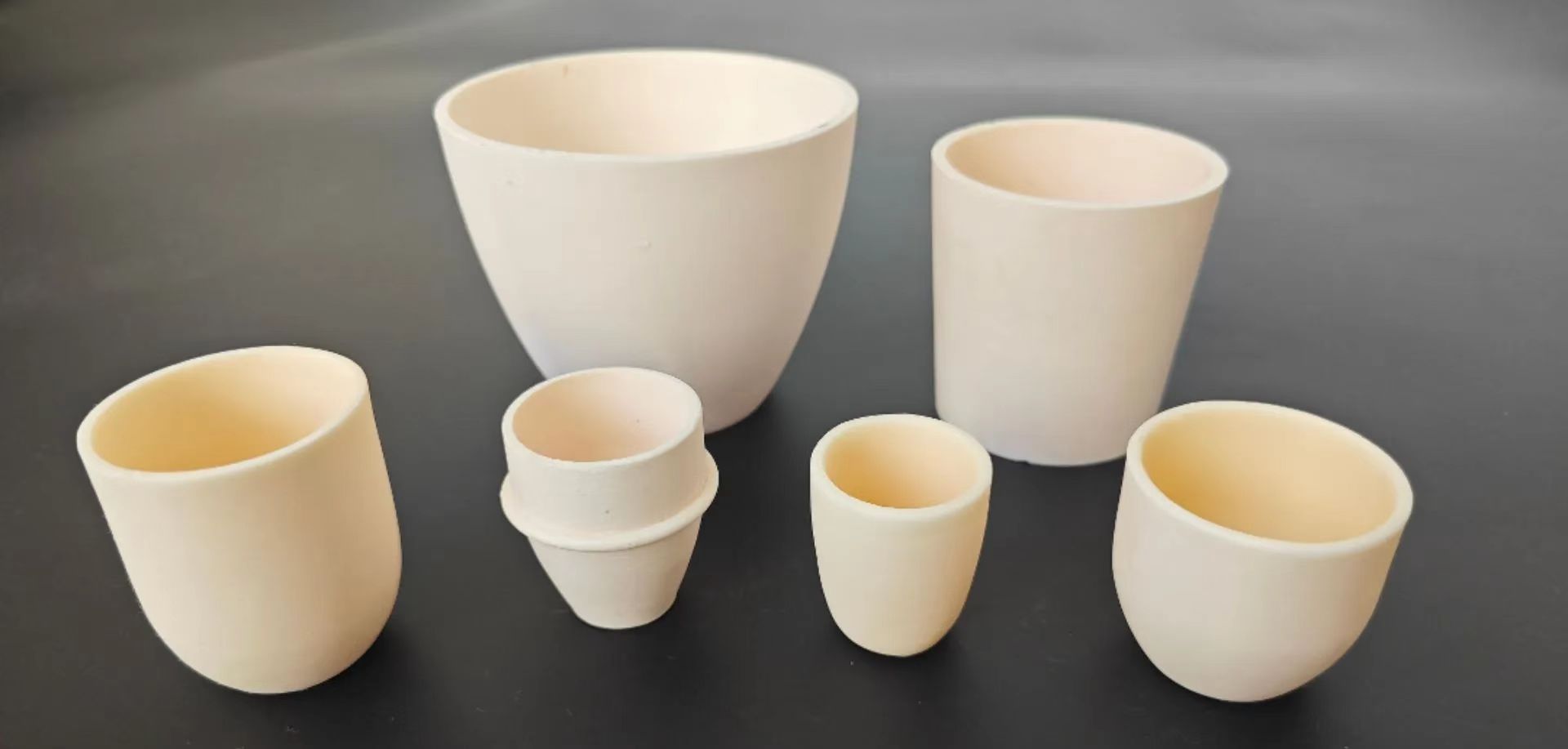
Ceramic crucibles are primarily made from alumina (Al₂O₃), magnesia (MgO), silicon carbide (SiC), and silicon nitride (Si₃N₄). Alumina crucibles, especially those with 95% to 99% purity, are the most prevalent, known for their excellent thermal and chemical stability. The 99% alumina variant can withstand temperatures up to 1800°C. Silicon carbide crucibles, with high hardness and thermal conductivity, are ideal where efficient heat transfer is critical.
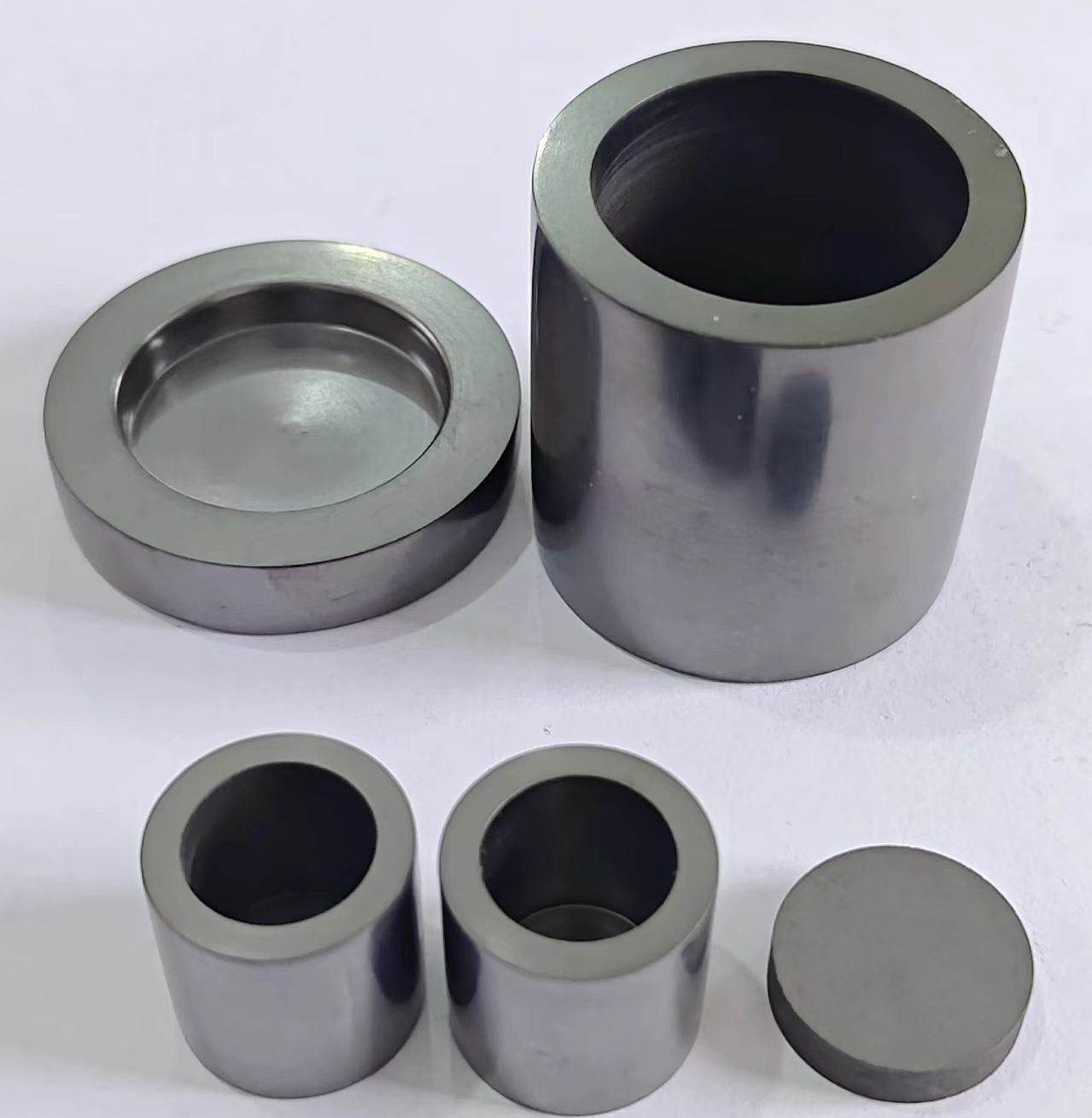
Graphite crucibles are manufactured from either natural graphite or synthetic graphite. Natural graphite offers excellent electrical and thermal conductivity, while synthetic graphite, produced from petroleum coke at high temperatures, provides greater purity and density. Additives like clay are often used to improve formability and strength.
- Physical Properties
Density: Ceramic crucibles range between 3.2 and 4.0 g/cm³, while graphite crucibles are lighter (1.6–1.8 g/cm³), offering easier handling and reduced labor intensity.
Hardness: Alumina ceramics have a Mohs hardness up to 9, making them highly resistant to wear. Graphite is much softer (Mohs 1–2) but provides excellent self-lubricating properties.
- Chemical Resistance
Ceramic crucibles are highly resistant to most acids and alkalis, although exposure to hydrofluoric acid or strong bases may degrade their performance. Graphite crucibles are chemically stable at room temperature but can oxidize in high-temperature, oxygen-rich environments, leading to reduced longevity.
- Thermal Properties
Heat Resistance: Graphite crucibles can withstand working temperatures from 1200°C to 1600°C, with a melting point over 3600°C. Ceramic crucibles typically tolerate up to 1600°C, depending on the material.
Thermal Conductivity: Graphite excels in heat conduction, ensuring even temperature distribution and improved melting efficiency. Ceramic crucibles lag behind, with slower heat transfer and potential for localized temperature variation.
- Mechanical Performance
Toughness: Graphite crucibles are more shock-resistant and can handle sudden temperature changes or minor impacts. Ceramic crucibles are more brittle and require careful handling.
Compressive Strength: Both crucible types offer high compressive strength, though ceramics are more prone to cracking under high pressure compared to graphite.
- Application Considerations
Choosing the right crucible depends on the specific operating environment. Ceramic crucibles are ideal for applications requiring chemical resistance and high purity, while graphite crucibles are preferred in metal melting, casting, and high thermal efficiency operations.
More Product:Alumina Ceramic Structural Components/Si3N4 Ceramic Structural Components/Quartz Products