

Silicon nitride (Si₃N₄) and silicon carbide (SiC) ceramics are widely used in high-performance engineering applications, each offering unique advantages. While both materials demonstrate excellent thermal and mechanical properties, they differ significantly in thermal conductivity and high-temperature resistance.
Performance Comparison:
Thermal Conductivity:
Silicon Nitride: 15–20 W/(m·K)
Silicon Carbide: 100–120 W/(m·K)
Maximum Operating Temperature:
Silicon Nitride: 1200°C
Silicon Carbide: 1600°C
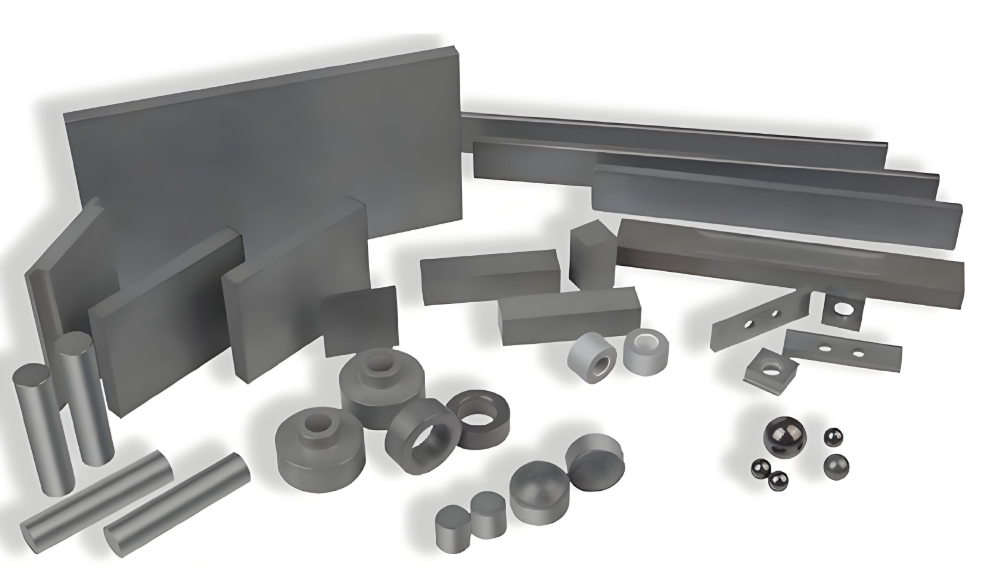
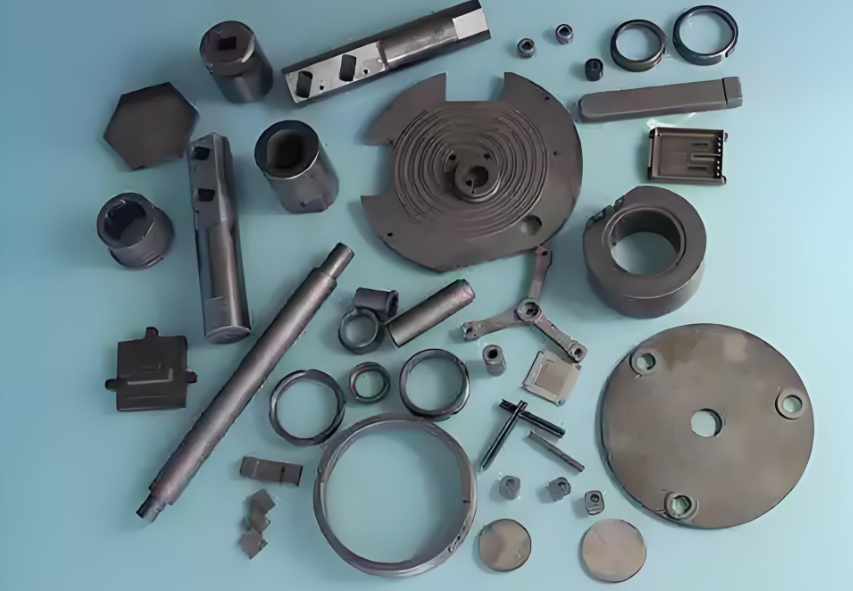
Thanks to its superior thermal conductivity, silicon carbide is ideal for applications requiring efficient heat dissipation, such as heat sinks for electronic devices and linings for high-temperature furnaces. Its higher temperature resistance ensures long-term stability in extreme environments, making it suitable for heat exchangers and structural components in high-heat settings.
In contrast, silicon nitride excels in mechanical strength, thermal shock resistance, and low density. These properties make it well-suited for high-stress applications such as bearings, engine components, and cutting tools, where both durability and reliability are critical.
About Puwei Ceramic:
Founded in 2017, Shaanxi PuWei Ceramic specializes in the R&D and manufacturing of advanced ceramic materials. As a leading ceramic manufacturer in China, PuWei remains committed to delivering high-performance ceramic solutions for demanding industrial applications.
Explore More:Si3N4 Ceramic Structural Components,Silicon Nitride Ceramic Structural Parts,Si3N4 Ceramic Structural Parts