

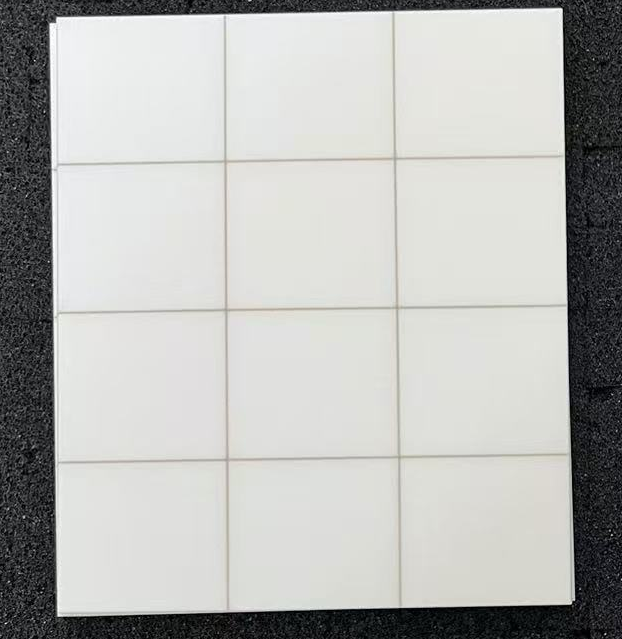
Laser-cut alumina ceramic substrates are gaining wide application in the electronics industry thanks to their outstanding thermal, electrical, and mechanical properties.
Key Advantages:
1. Thermal Compatibility – With a thermal expansion coefficient close to silicon wafers, these substrates eliminate the need for transition Mo films, reducing material use and overall costs.
2. Improved Reliability – Fewer solder layers mean lower thermal resistance, fewer voids, and higher production yield.
3. High Current Capacity – A 0.3 mm thick copper foil carries only 10% of the load compared with traditional printed circuit boards, ensuring efficient performance.
4. Compact Packaging – Alumina ceramic metallized DBC substrates enable high-density chip packaging, boosting power density and system reliability.
5. Eco-Friendly Alternatives – Ultra-thin (0.25 mm) ceramic substrates can replace BeO, avoiding environmental and health risks.
6. Efficient Heat Dissipation – Even under 100 A continuous current, temperature rise remains low, ensuring stable device operation.
7. Low Thermal Resistance – Substrates with varying thicknesses offer excellent heat transfer, ensuring equipment safety and reliability.
8.High Dielectric Strength – Provides enhanced protection for both operators and electronic devices.
9. Flexible Applications – Supports innovative packaging and assembly methods, enabling compact and highly integrated designs.
With these advantages, laser-cut alumina ceramic substrates are widely applied in power electronics, semiconductor modules, and thermal management systems.
Explore More:
- 96 Alumina Ceramic Substrate
- Si3N4 Ceramic Products
- Aluminum Nitride Ceramics
- Metalization Ceramics