

In the modern era of rapid technological advancements, thermoelectric modules have become an essential part of our daily lives and industrial operations. Whether it's the smartphones we carry around or the large - scale machinery in factories, these modules are everywhere, silently powering and optimizing the performance of various devices. Among the key components enabling the efficient functioning of thermoelectric modules, aluminum nitride substrates are emerging as a game - changer.
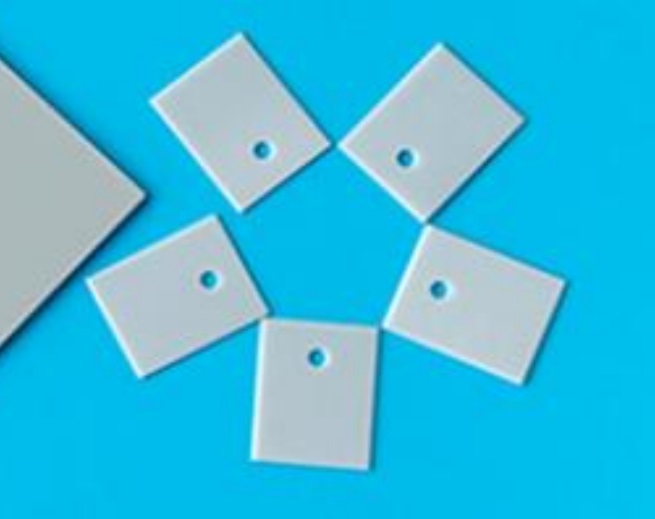
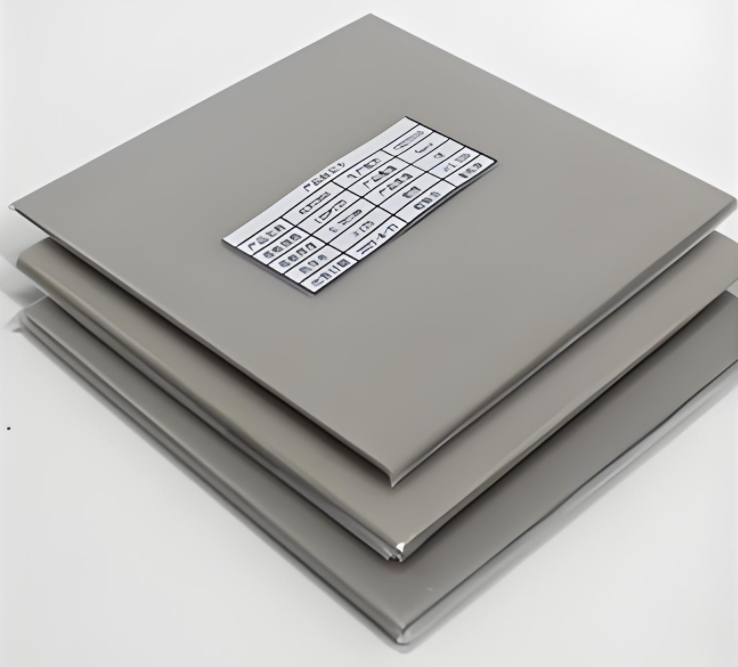
What Exactly is an Aluminum Nitride Ceramic Substrate?
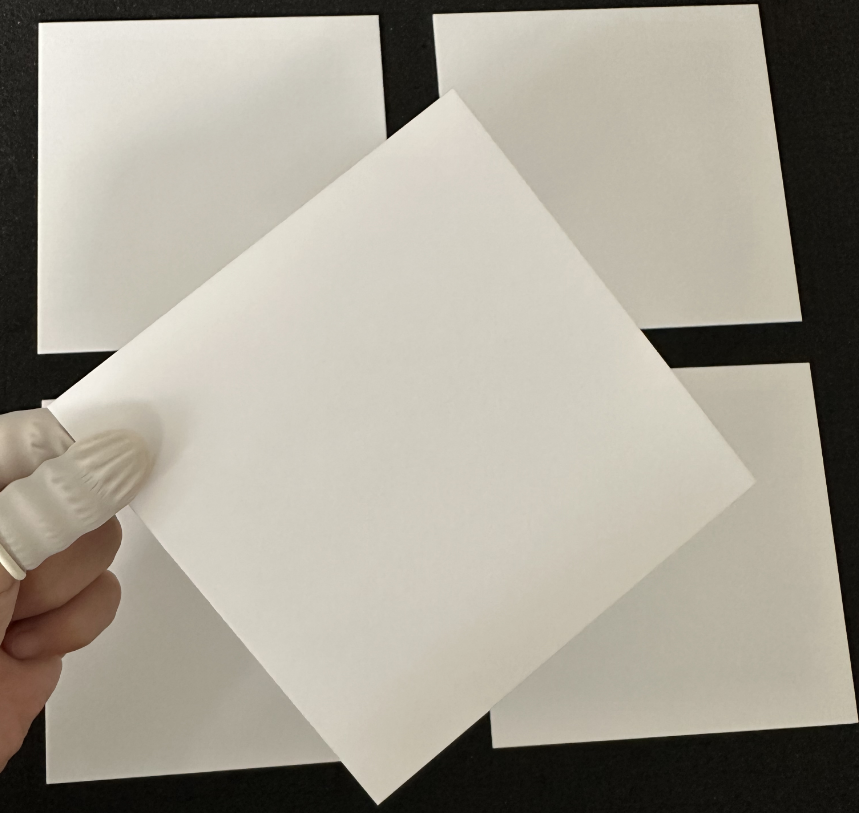
An Aln Ceramic Sheet Plate is a cutting - edge ceramic material that stands out for its remarkable characteristics.
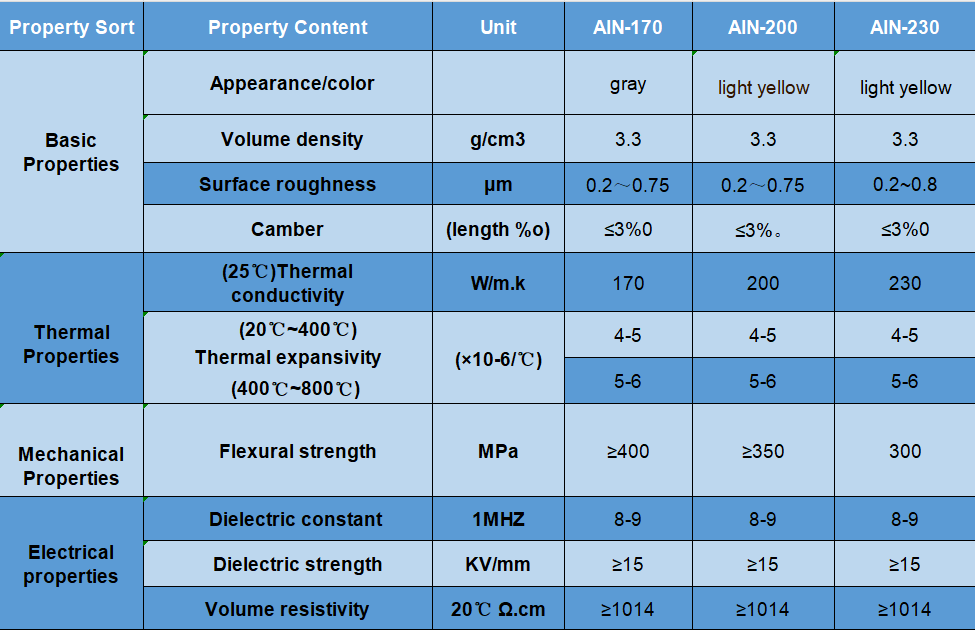
Exceptional Thermal Conductivity
Imagine heat as if it were a vehicle zipping along a four - lane highway. In an aluminum nitride substrate, heat can travel at an astonishing speed. This high thermal conductivity allows the substrate to rapidly transfer heat away from the source. For instance, in high - power electronic devices, where heat generation is a major concern, the aluminum nitride ceramic substrate can efficiently dissipate heat, preventing overheating and ensuring stable operation.
Superior Electrical Insulation
Electrical current is like a carefully guided train, and the aluminum nitride substrate acts as a robust track system. Its outstanding insulation properties ensure that the current flows precisely along the intended paths, without any leakage. This is crucial in maintaining the integrity of the electrical circuits within thermoelectric modules, safeguarding against short - circuits and other electrical malfunctions.
High Mechanical Strength
Aln Ceramic Substrate is incredibly tough. It can withstand a significant amount of stress without deforming or breaking. Whether it's during the manufacturing process or in the long - term operation of thermoelectric modules, its mechanical strength ensures durability and reliability.
Unraveling the Mysterious Thermoelectric Module
A thermoelectric module is a truly fascinating piece of technology. It's like a versatile energy transformer.
Energy Conversion Magic
On one hand, when electronic devices are in operation and generating heat as a by - product, the thermoelectric module can convert this wasted heat into useful electrical energy. This not only recycles energy but also helps in cooling down the device. For example, in a laptop, the heat generated by the processor can be harnessed by the thermoelectric module to generate a small amount of electricity, which can be used to power some of the laptop's components.
On the other hand, when an electrical current is applied to the thermoelectric module, it can create a temperature difference. This property is exploited in applications such as small refrigerators and the cooling systems of electronic components. In a compact refrigerator, the thermoelectric module can cool the interior by creating a cold - hot temperature gradient.
The Incomparable Advantages of Aluminum Nitride Ceramic Substrates in Thermoelectric Modules
Unrivaled Heat Dissipation
Thermoelectric modules generate a substantial amount of heat during operation. If this heat is not dissipated promptly, the module's performance will degrade rapidly, and it may even fail. The aluminum nitride ceramic substrate's excellent heat - conducting capabilities come to the rescue. It acts as a heat - evacuation superhighway, quickly removing the excess heat and maintaining the module at an optimal operating temperature. This not only extends the lifespan of the thermoelectric module but also enhances its overall efficiency and stability.
Impeccable Electrical Insulation
The internal circuits of thermoelectric modules are intricate. Precise current flow is essential for the proper functioning of the module. The aluminum nitride ceramic substrate's top - notch insulation properties prevent any current leakage, ensuring that the electrical signals are transmitted accurately. This stability in electrical performance is vital for the reliable operation of the thermoelectric conversion process.
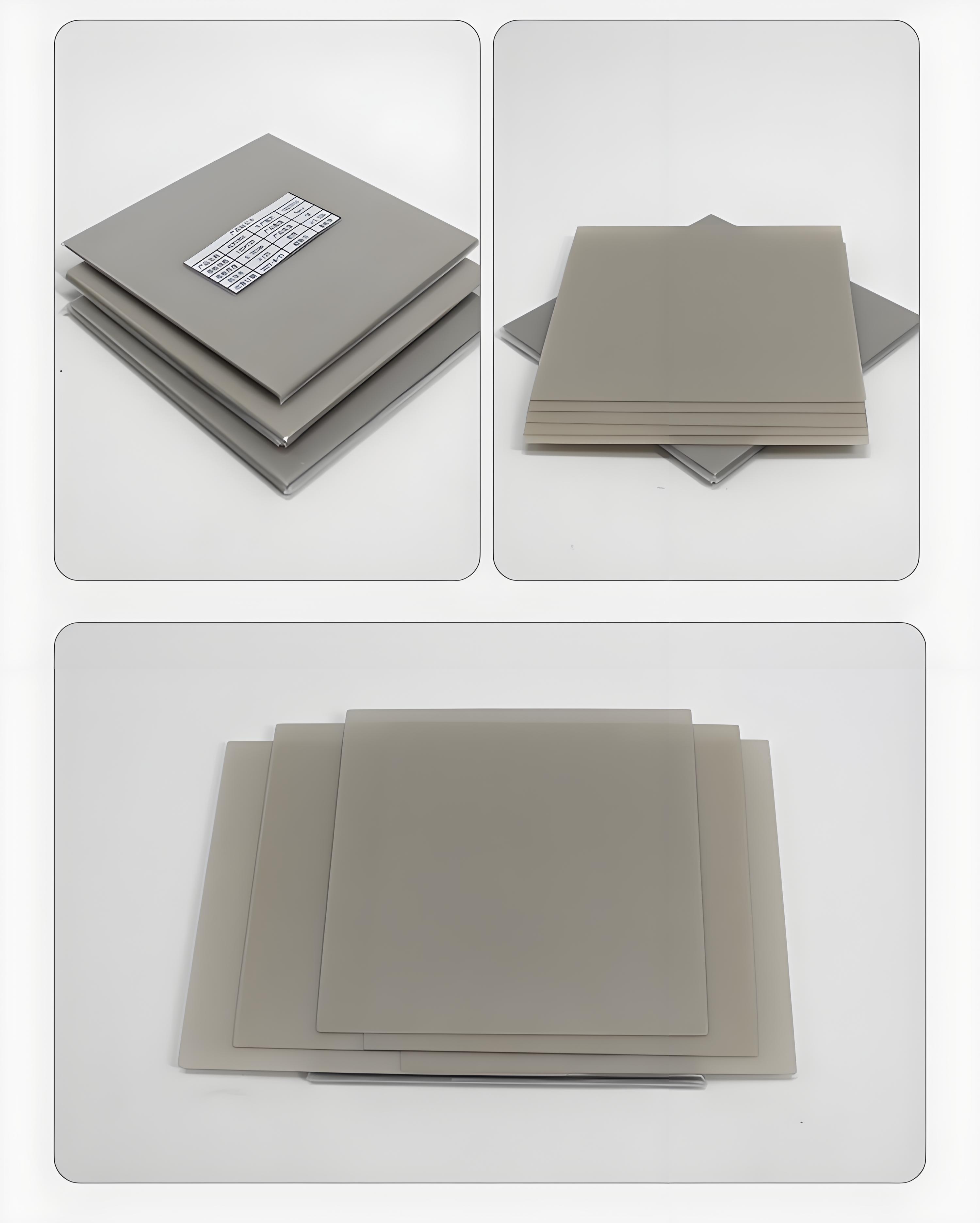
Perfect Compatibility with Thermoelectric Materials
Aluminum nitride ceramic substrates form a harmonious partnership with the commonly used thermoelectric materials in these modules. They bond tightly together, and their compatibility is so strong that factors like thermal expansion and contraction do not cause them to separate or experience a decline in performance. This seamless integration ensures the consistent and stable operation of the entire thermoelectric module system.
Real - World Applications of Aluminum Nitride Ceramic Substrates
In the Realm of Electronic Devices
In computer CPU cooling systems, thermoelectric modules equipped with aluminum nitride ceramic substrates are a game - changer. They can cool the CPU much more effectively than traditional methods. By efficiently dissipating the heat generated by the CPU, these modules can significantly boost the computer's processing speed and stability. This means faster data processing, smoother multitasking, and a more enjoyable user experience.
In the Automotive Industry
In cars, thermoelectric modules can utilize the heat from the exhaust gases to generate electricity. Aluminum nitride ceramic substrates play a crucial role in this process. They enable the thermoelectric modules to operate more efficiently, harnessing the waste heat and converting it into useful electrical energy. This not only contributes to energy conservation but also reduces the overall energy consumption of the vehicle.
Aluminum Nitride Ceramic Sheet have carved out a niche for themselves in the world of thermoelectric modules due to their unique and outstanding properties. As technology continues to evolve, we can expect these substrates to play an even more significant role in thermoelectric modules and a wide range of other applications, bringing about more convenience and innovation in our lives. If you're intrigued by the world of thermoelectric modules and aluminum nitride substrates, feel free to visit our website for a wealth of additional information.