

Aluminum Nitride Ceramics: The Engine Behind Next-Generation Electronics
In the relentless pursuit of higher power, greater efficiency, and more compact devices, managing heat is no longer just an engineering challenge—it's a fundamental barrier to progress. This is where Aluminum Nitride (AlN) Ceramics are making a pivotal impact. As the global market for these advanced materials is projected to grow steadily, with revenues expected to rise from approximately $1.23 billion in 2024 to nearly $1.96 billion by 2031[citation:1], understanding their capabilities is crucial for designers and manufacturers across the semiconductor, automotive, and RF microwave sectors.
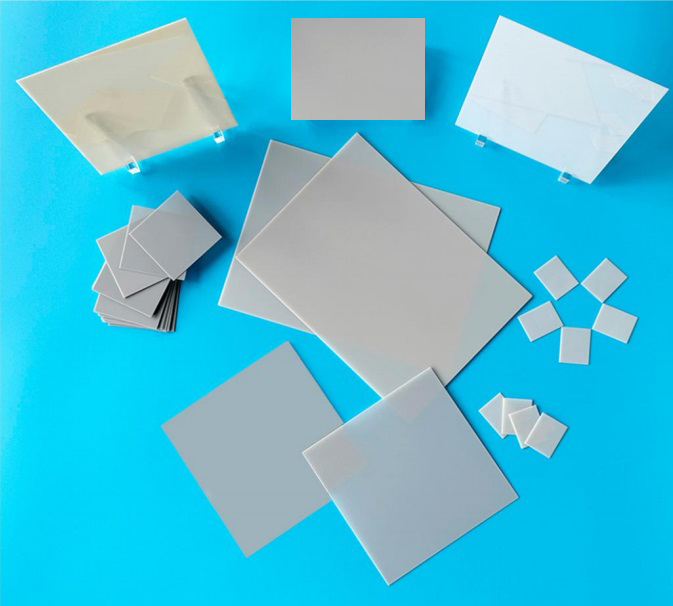
Why AlN is Redefining Thermal Management Standards
Aluminum Nitride is a synthetic ceramic that masterfully combines high thermal conductivity with excellent electrical insulation. Unlike metals that conduct both heat and electricity, AlN efficiently channels heat away from sensitive components while remaining a reliable insulator. Its thermal conductivity, reaching up to 250 W/m·K in advanced formulations[citation:6], rivals that of metals but without the electrical compromise. Furthermore, its thermal expansion coefficient closely matches that of silicon, reducing mechanical stress in semiconductor packages and enhancing long-term reliability.
AlN Ceramic Substrates: The Critical Foundation for High-Performance Circuits
An AlN Ceramic Substrate acts as the robust, thermally conductive foundation for electronic circuits. It is the unsung hero in applications where failure is not an option. The industry is rapidly scaling production to meet demand, with new partnerships establishing production capacities in the tens of thousands of units per month[citation:2].
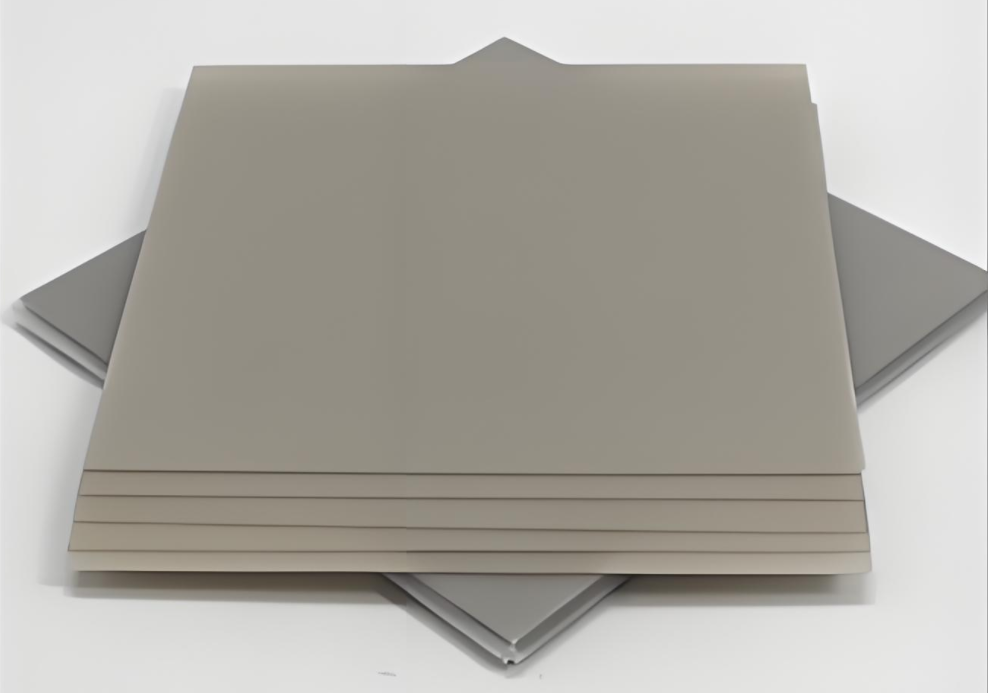
The superiority of an AlN ceramic circuit board lies in a powerful combination of properties essential for modern electronics:
- Unmatched Heat Dissipation: Prevents overheating in high-power density designs, ensuring device stability and longevity.
- Superior Electrical Insulation: Maintains high electrical resistance even at elevated temperatures, ensuring system safety.
- Mechanical & Chemical Robustness: Resists wear, thermal shock, and corrosion, making it suitable for harsh environments from automotive under-hoods to aerospace systems.
Powering Innovation: Key Applications of AlN Ceramics
The unique properties of Aluminum Nitride Ceramics unlock new possibilities across several cutting-edge industries. Here’s how they are driving innovation:
1. Power Semiconductor and Automotive Electronics
In electric vehicles and renewable energy systems, IGBTs and SiC/GaN power modules generate immense heat. AlN ceramic substrates are the preferred choice for these high-power device packages because they efficiently pull heat away from the semiconductor die. This capability is critical for maximizing power density, improving efficiency, and ensuring the reliability demanded by automotive electronics[citation:1][citation:9].
2. RF Microwave and Communication Systems
As 5G/6G networks and radar systems push into higher frequencies, signal integrity becomes paramount. AlN ceramic substrates offer low dielectric loss and excellent thermal management for microwave RF circuits, minimizing signal distortion and heat-related performance drift in amplifiers and transceivers[citation:2].
3. Advanced Optoelectronics and Laser Systems
High-power LEDs and laser diodes require precise thermal control to maintain wavelength stability and output power. AlN ceramic heatsinks and substrates provide the ideal solution, acting as a laser ceramic heatsink that effectively manages the concentrated heat from laser junctions, which is also vital for optical communication modules in data centers[citation:1][citation:2].
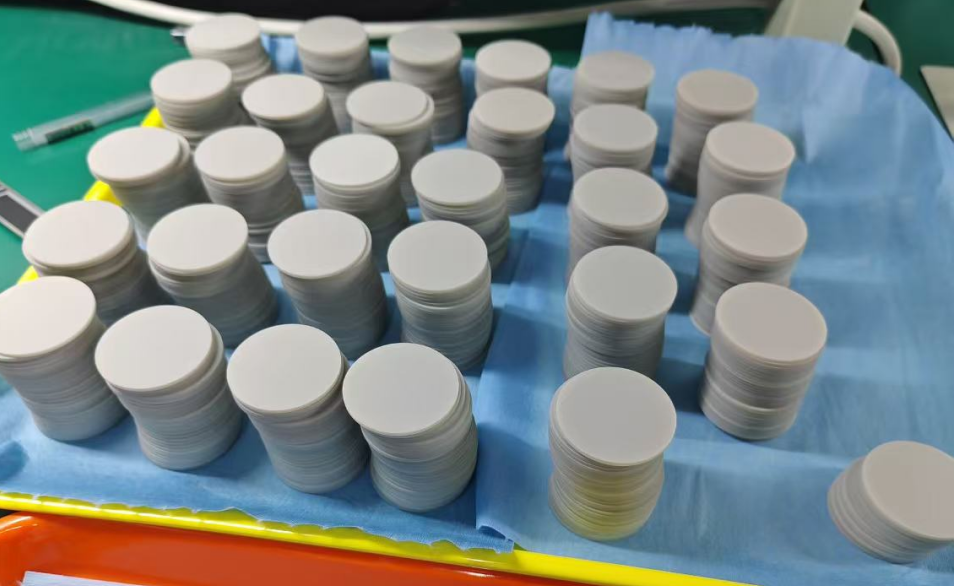
Beyond Substrates: The Versatility of AlN Ceramic Discs and Components
While substrates are essential, the utility of AlN extends into precise structural forms. AlN Ceramic Discs and custom AlN Ceramic Components are indispensable in applications requiring specific shapes, superior insulation, and thermal conductivity. These include:
- Insulating spacers and windows in semiconductor processing equipment, leveraging AlN's plasma resistance[citation:3].
- Thermal management plates for sensors and critical AlN Ceramic Structure Parts in aerospace.
- Substrates for high-frequency surface acoustic wave (SAW) filters, enabled by AlN's piezoelectric properties in single-crystal form[citation:4].

Navigating Your AlN Ceramic Selection: A Quick Guide
Choosing the right AlN solution is key. Follow this simple process:
- Define Requirements: Identify primary needs: max heat flux (W/m·K), electrical insulation (breakdown voltage), and mechanical dimensions.
- Select the Form Factor: Decide between a standard AlN Ceramic Substrate, a custom-shaped AlN Ceramic Disc, or a more complex component.
- Specify Finishing: Determine if you need a bare ("white") substrate, or one with metallization (DBC, DPC, AMB) for circuit patterning[citation:5][citation:7].
- Partner with an Expert: Engage with a manufacturer like Puwei early to leverage their expertise in material properties and precision fabrication.
Frequently Asked Questions About Aluminum Nitride Ceramics
Q: How does AlN compare to Alumina (Al2O3) as a substrate material?
A: While alumina is cost-effective and widely used, AlN offers 5-10 times higher thermal conductivity (170-250 vs. 20-30 W/m·K). This makes AlN essential for high-power-density applications where alumina's thermal resistance would be a bottleneck[citation:9].
Q: Can AlN substrates be metalized for circuit creation?
A: Yes, absolutely. AlN is commonly used to create high-performance AlN ceramic circuit boards via processes like Direct Bonded Copper (DBC) or Direct Plating Copper (DPC). These AlN ceramic copper-clad boards are standard in power module manufacturing[citation:7].
Q: Is the AlN supply chain resilient?
A: The market is robust and growing. While historically concentrated, the production landscape is diversifying. Notably, China has become a major producer, helping to build a resilient global supply chain for high thermal conductivity ceramic substrates[citation:8][citation:10].
As the boundaries of electronics continue to expand, pushed by trends in electrification, connectivity, and miniaturization, Aluminum Nitride Ceramics stand as a critical enabling material. From managing the heat in an electric car's inverter to ensuring the signal clarity in a 6G base station, the advanced properties of AlN substrates and components provide the thermal and electrical foundation that next-generation technology demands.