

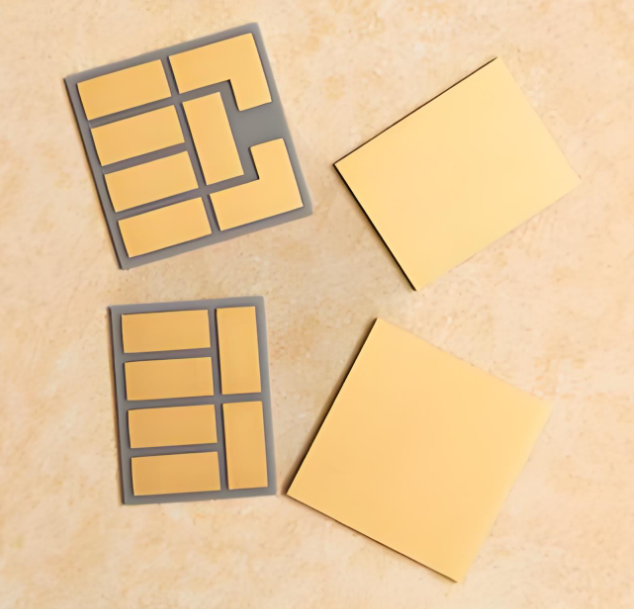
DBC (Direct Bonded Copper) substrates are widely used in power electronics and high-performance applications due to their excellent thermal and electrical properties. These substrates consist of a ceramic base with a layer of copper bonded directly to it, providing a robust platform for electronic circuits. Among the most common types of DBC substrates are those made from alumina (Al₂O₃) and aluminum nitride (AlN). While both materials serve similar purposes, they have distinct characteristics that make them suitable for different applications.
What is DBC Metallization?
DBC metallization refers to the process of bonding a layer of copper directly onto a ceramic substrate. This is achieved by heating the ceramic and copper to a high temperature, allowing the copper to form a strong bond with the ceramic surface. The result is a substrate that combines the thermal and electrical insulation of ceramics with the excellent electrical conductivity of copper. This makes DBC substrates ideal for applications such as power modules, LED lighting, and automotive electronics.
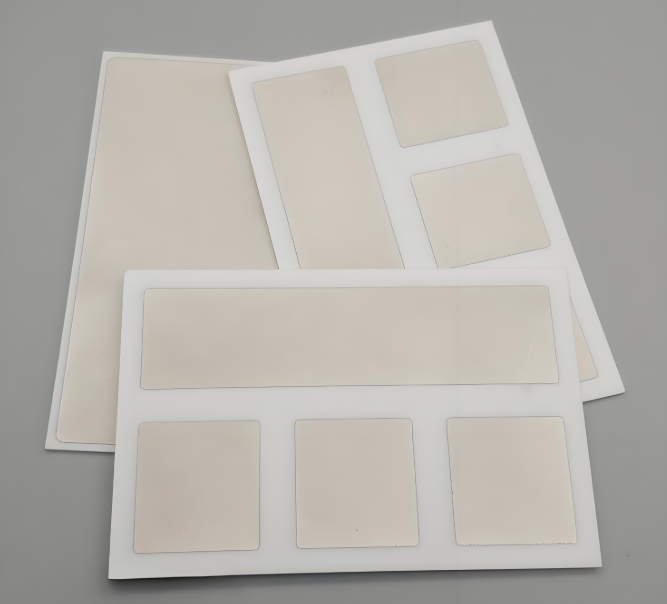
Alumina Ceramic DBC Substrate
Alumina, or aluminum oxide (Al₂O₃), is one of the most commonly used ceramics in DBC substrates. Here are some key features of Alumina Ceramic DBC Substrates:
Thermal Conductivity: Alumina has a moderate thermal conductivity, typically around 24-30 W/mK. While this is lower than some other ceramics, it is sufficient for many applications.
Cost-Effectiveness: Alumina is relatively inexpensive compared to other ceramic materials, making it a popular choice for cost-sensitive applications.
Mechanical Strength: Alumina is known for its high mechanical strength and durability, which makes it suitable for demanding environments.
Electrical Insulation: Like most ceramics, alumina is an excellent electrical insulator, ensuring safe operation in high-voltage applications.
Applications: Alumina Ceramic DBC Substrates are commonly used in power electronics, automotive control systems, and industrial equipment where moderate thermal performance is acceptable, and cost is a significant factor.
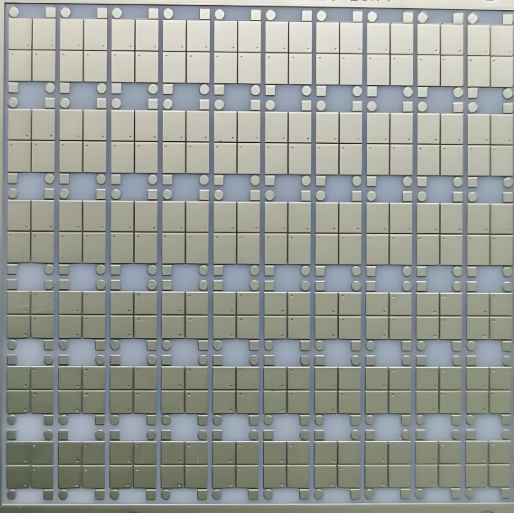
Aluminum Nitride DBC Substrate
Aluminum Nitride (AlN) is a premium ceramic material that offers superior thermal performance compared to alumina. Here are the key characteristics of Aluminum Nitride DBC Substrates:
Thermal Conductivity: AlN has an exceptionally high thermal conductivity, ranging from 150-180 W/mK. This makes it ideal for applications where efficient heat dissipation is critical.
Cost: Aluminum Nitride is more expensive than alumina due to its advanced properties and more complex manufacturing process.
Thermal Expansion: AlN has a thermal expansion coefficient that closely matches that of silicon, making it an excellent choice for semiconductor applications.
Electrical Insulation: Like alumina, AlN is an excellent electrical insulator, ensuring reliable performance in high-power applications.
Applications: Aluminum Nitride DBC Substrates are used in high-power LED modules, RF and microwave devices, and advanced semiconductor packaging, where superior thermal management is required.
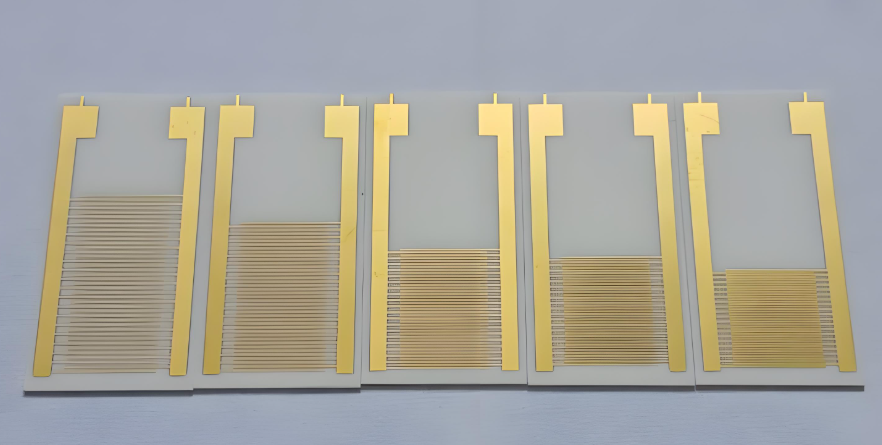
Key Differences Between Alumina and Aluminum Nitride DBC Substrates
Thermal Conductivity: Aluminum Nitride DBC Substrates have a much higher thermal conductivity than Alumina Ceramic DBC Substrates. This makes AlN the preferred choice for high-power applications where heat dissipation is critical.
Cost: Alumina is more cost-effective, making it suitable for applications where budget constraints are a concern. AlN, on the other hand, is used in high-performance applications where its superior properties justify the higher cost.
Performance in High-Temperature Environments: While both materials perform well in high-temperature environments, AlN’s higher thermal conductivity and better thermal expansion properties make it more suitable for extreme conditions.
Application Scope: Alumina DBC Substrates are widely used in general-purpose power electronics, while AlN DBC Substrates are favored in advanced applications such as high-power LEDs, RF devices, and semiconductor packaging.