

Ceramic substrates play a critical role in the design and performance of laser diodes (LDs), especially in high-power and precision applications. With the growing demand for compact and efficient optoelectronic devices, ceramic materials like aluminum nitride (AlN) and alumina (Al₂O₃) are increasingly favored due to their unique combination of properties.
1. Superior Heat Dissipation
Laser diodes generate significant heat during operation. Ceramic substrates, particularly AlN with its high thermal conductivity, efficiently dissipate heat from the chip, ensuring stable operation and extending the diode’s service life.
2. Reliable Electrical Insulation
Ceramics provide excellent electrical insulation, protecting the device from leakage currents even under high voltage or high-frequency conditions. This ensures operational safety and reliability.
3. Mechanical and Structural Support
As a stable platform for mounting laser chips, ceramic substrates offer mechanical strength and rigidity, which simplifies packaging and improves integration with other components.
4. Dimensional Stability under Heat
With low thermal expansion and high-temperature resistance, ceramic substrates minimize the risk of thermal stress or distortion, making them ideal for precision devices.
5. Excellent Surface Processing
Ceramic substrates can be metallized with conductive layers such as silver (Ag) or gold (Au), enabling strong electrical connections and facilitating soldering during assembly.
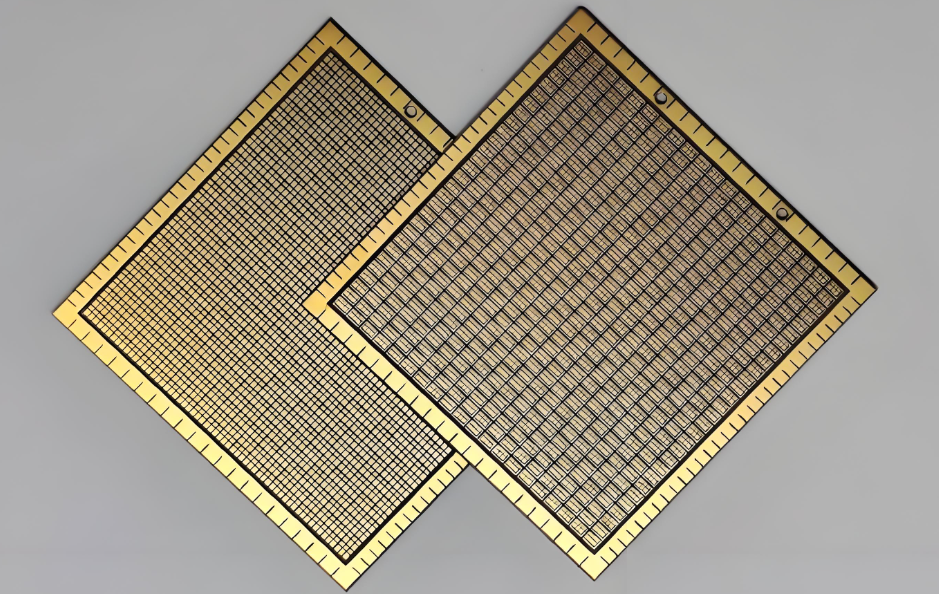
Common Materials and Future Outlook
Aluminum nitride and alumina remain the most widely used materials due to their balanced performance and cost-efficiency. As laser diode technologies evolve, there is growing interest in advanced ceramics with tailored thermal and dielectric properties to support higher power densities and miniaturization.
For more detailed specifications and custom solutions:Metalization Ceramics/DPC Ceramic Substrate/AlN Ceramic Substrate/96 Alumina Ceramic Substrate