

AMB Ceramic Substrates: The Next-Generation Solution for High-Power Module Applications
The relentless push for higher power density, efficiency, and reliability in sectors like electric vehicles, renewable energy, and industrial drives is fundamentally reshaping power module design. At the heart of this evolution lies a critical component: the ceramic substrate. Shaanxi Puwei, a leader in advanced ceramic material solutions, introduces its high-performance AMB Ceramic Substrate technology, engineered to meet the severe demands of next-generation power applications.
Why AMB Technology is Replacing Traditional Methods in Power Modules
Active Metal Brazing (AMB) represents a significant leap forward from conventional Direct Bonded Copper (DBC) technology. The process involves brazing a metal layer (typically copper) directly onto the ceramic using an active metal alloy containing elements like Titanium (Ti) or Zirconium (Zr). This creates a chemical-metallurgical bond that is far superior in strength and durability.
For international procurement engineers and module designers, this translates to tangible benefits:
- Superior Bond Strength & Reliability: The AMB process yields a peel strength 3-5 times greater than standard DBC, drastically reducing delamination risks during extreme thermal cycling.
- Exceptional Thermal Cycling Performance: AMB substrates withstand a vastly higher number of temperature swings (-55°C to +250°C+), a critical factor for automotive and aerospace qualifications.
- Enhanced Power Handling & Heat Dissipation: The robust bond allows for thicker copper layers (up to 0.8mm+), enabling higher current carrying capacity and efficient heat spread to cooling systems.
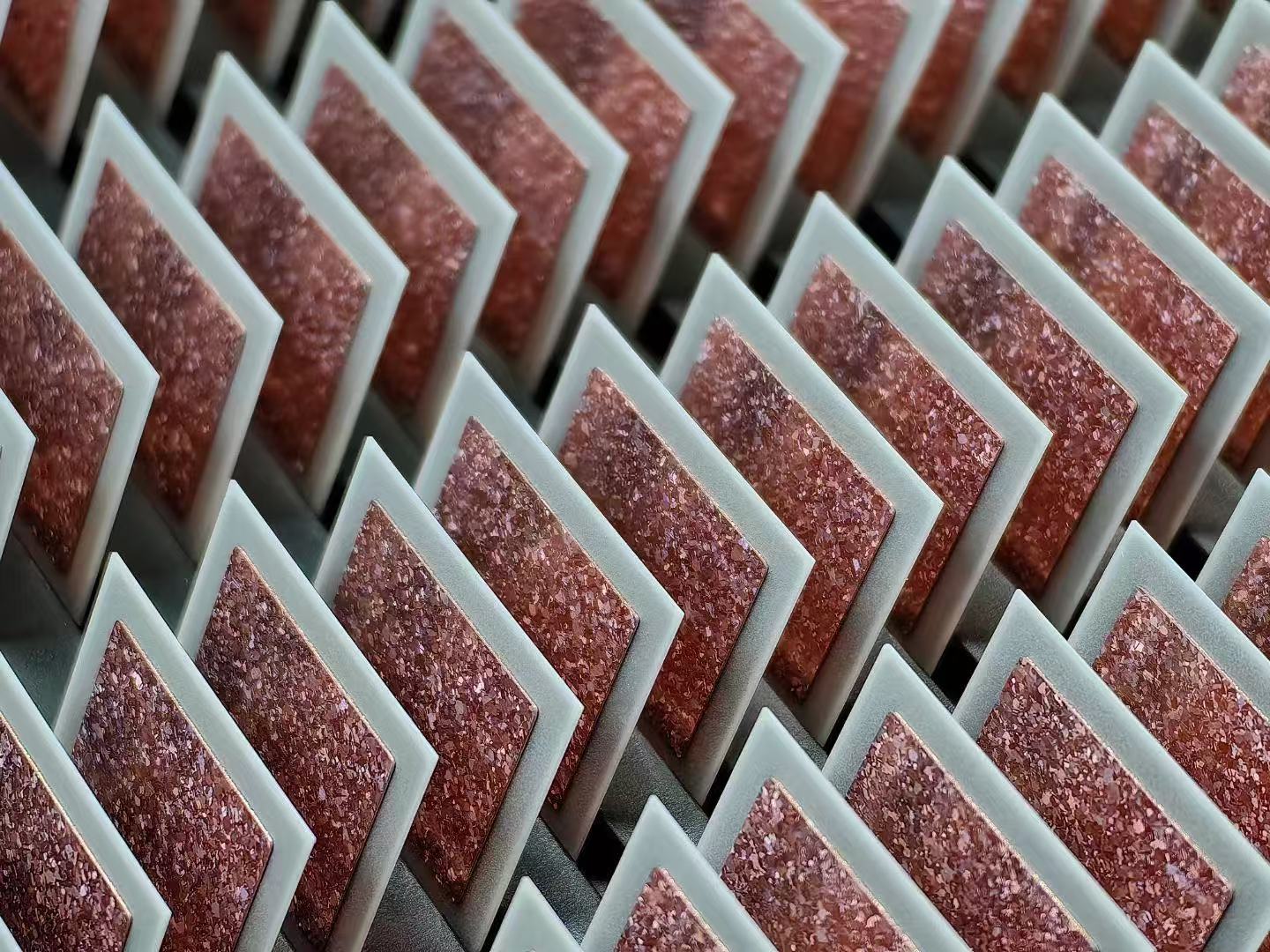
Puwei's AMB Silicon Nitride Ceramic Substrate: Engineered for ultimate reliability in power modules.
Puwei AMB Substrate: Material Versatility for Optimal Design
Choosing the right ceramic base is paramount for application success. Puwei offers a range of high-quality materials for its AMB Ceramic Substrate line, each with distinct advantages:
- Aluminum Nitride (AlN): The premier choice for highest thermal conductivity (~170-230 W/mK). Puwei's AlN ceramic substrate is ideal for applications where managing intense heat flux from IGBTs, SiC, or GaN devices is non-negotiable, such as in high-power device ceramic substrates for EV traction inverters.
- Silicon Nitride (Si₃N₄): Offers the best combination of high thermal conductivity (~90 W/mK) and phenomenal mechanical strength/fracture toughness. Our AMB Silicon Nitride Ceramic Substrate is unmatched for applications subject to severe mechanical and thermal shock, like in heavy-duty rail transit.
- Alumina (Al₂O₃) & ZTA: Provide a cost-effective, highly reliable solution with excellent electrical insulation and proven performance for many industrial power applications.
Core Applications Driving Demand for AMB Substrates
The transition to wide-bandgap semiconductors (SiC, GaN) and the electrification of transport are key drivers. Puwei's substrates are enabling technology in:
- New Energy Vehicles (EV/HEV): Power control units (PCUs), main traction inverters, and onboard chargers demand substrates that can handle higher temperatures and power cycles. AMB's reliability is critical here.
- Renewable Energy & Industrial Drives: In wind turbine converters and high-frequency industrial motor drives, modules must operate reliably for decades in harsh environments. AMB's longevity is a key asset.
- Aerospace & Rail Transit: Where failure is not an option, the combined thermal, mechanical, and electrical robustness of substrates like our Si3N4 Ceramic AMB Substrate makes them the preferred choice for high-power conditioning systems.
FAQ: Addressing Key Procurement Considerations
Q: When should I choose AMB over traditional DBC?
A: Choose AMB when your application involves high thermal cycling, extreme temperatures, high mechanical stress, or requires very thick copper for high current. This is typical for automotive (especially SiC modules), aerospace, and high-reliability industrial drives.
Q: Is AlN or Si₃N₄ better for my power module?
A: For ultimate thermal conductivity and heat dissipation in a compact design, choose AlN ceramic substrate. For applications where mechanical shock/vibration or extreme thermal shock are primary concerns (e.g., under-hood automotive, traction), Si3N4 Ceramic AMB Copper-clad Substrate offers unparalleled robustness.
Q: Does Puwei offer customization?
A: Absolutely. As a specialist manufacturer, we provide full customization of dimensions, ceramic thickness, copper pattern, and plating (Ni/Au, Ni/Ag) based on your technical drawings. We collaborate closely on power semiconductor ceramic substrates and laser diode ceramic heatsinks.
Why Partner with Shaanxi Puwei?
Established in 2017, Shaanxi Puwei focuses on the R&D and manufacturing of high-performance ceramic-based materials. Our AlN and Al₂O₃ ceramic products are renowned for their excellent thermal conductivity, low dielectric loss, and outstanding mechanical properties. We are more than a supplier; we are a technical partner committed to solving your most challenging thermal management and interconnect problems with our DBC Ceramic Substrate, DPC Ceramic Substrate, and AMB Ceramic Substrate technologies.
For technical consultation and custom order specifications, please contact our expert engineering team directly.