

Active Metal Brazing (AMB) is an advanced ceramic-to-metal bonding technology developed as an evolution of the DBC process. It enables strong metallurgical adhesion by forming a reactive layer between ceramics and copper using active elements in the solder. This method results in high-strength, reliable ceramic substrates ideal for demanding thermal and electrical environments.
The AMB silicon nitride (Si₃N₄) substrate stands out for its thermal and mechanical performance. After applying active solder to the ceramic surface and brazing oxygen-free copper in a vacuum furnace, the substrate undergoes a wet etching process to create circuit patterns, followed by surface plating to ensure durability and connectivity.
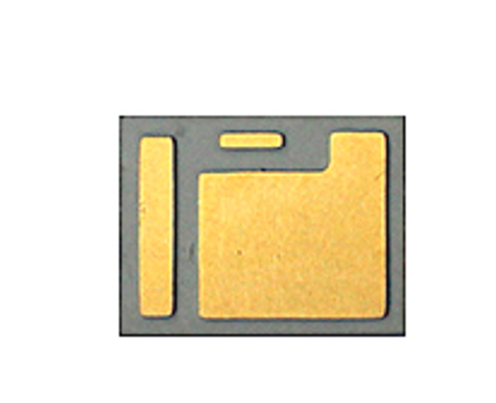
Key Benefits of AMB Silicon Nitride Substrates:
1. High Thermal Conductivity and Current-Carrying Capacity
With thermal conductivity above 90 W/m·K and copper thickness up to 800 μm, AMB substrates provide excellent heat dissipation and load capacity. This makes them a preferred choice for power-intensive applications such as electric vehicles, wind power systems, traction drives, and HVDC converters. The structure allows flexible circuit layout similar to PCBs while maintaining superior thermal performance.
2. Low Thermal Expansion and Excellent Chip Compatibility
Silicon nitride’s thermal expansion coefficient (2.4 ppm/K) closely matches that of silicon chips (4 ppm/K), providing strong thermal compatibility. This makes the AMB substrate ideal for bare-die packaging, reducing mechanical stress and increasing long-term reliability.
With high bonding strength, efficient heat management, and excellent structural integrity, AMB silicon nitride substrates meet the requirements of modern power electronics across multiple industries.
More Information:AMB Silicon Nitride Ceramic Substrate,Si3N4 Ceramic AMB Substrate,Si3N4 Ceramic AMB Copper-clad Substrate