

Antistatic Ceramic Arms: Enhancing Efficiency and Reliability in Semiconductor Manufacturing
In the hyper-sensitive environment of semiconductor fabs, where microscopic contaminants or a single electrostatic discharge (ESD) can ruin millions of dollars in product, the choice of handling equipment is paramount. Antistatic ceramic arms, also known as ceramic end effectors or robotic fingers, have emerged as a critical component for ensuring yield, precision, and operational stability. This article explores how these advanced ceramic handling arms from Puwei are engineered to meet the stringent demands of modern semiconductor, photovoltaic, and precision machinery manufacturing.
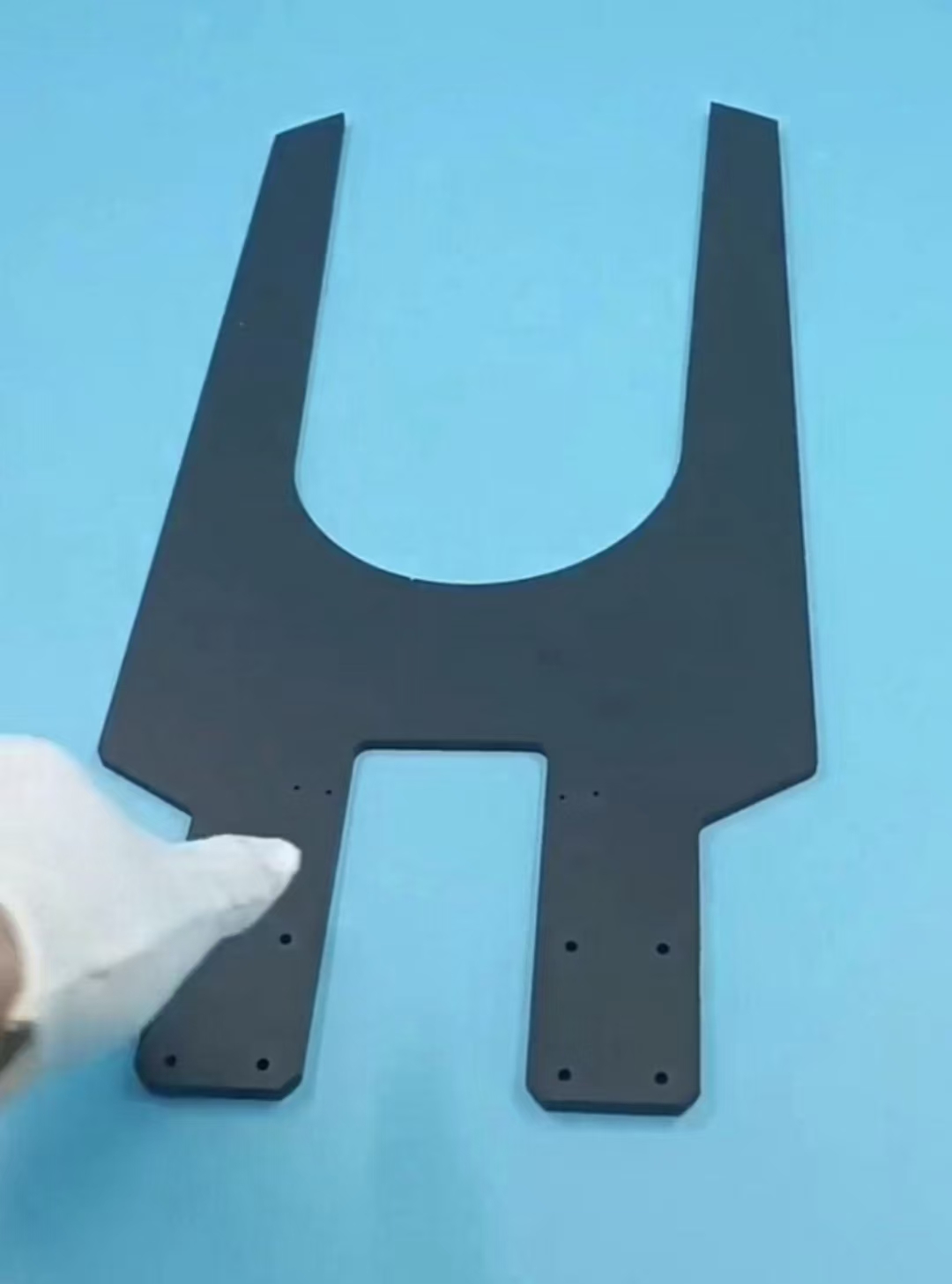
The Critical Need for Antistatic Solutions in Cleanrooms
Static charge is a silent yield-killer. It can attract particulate contamination, cause misalignment of delicate wafers, or lead to catastrophic ESD damage to integrated circuits. Traditional materials often fall short in providing a permanent, passive solution to this problem.
How Antistatic Ceramic Arms Work
Puwei's ceramic arms are manufactured from specially formulated materials that provide inherent antistatic properties. Unlike surface coatings that can wear off, the material itself prevents the buildup of static electricity, ensuring consistent ESD protection throughout the component's long service life. This makes them a fundamentally more reliable choice than conductive or dissipative plastics or coated metals.
Core Properties and Advantages of Ceramic Handling Arms
The superiority of ceramic manipulators stems from the intrinsic properties of high-performance technical ceramics.
- Excellent Wear and Corrosion Resistance: They withstand repetitive motion and exposure to aggressive chemical environments in cleaning and etching processes without degrading.
- Ultra-Low Thermal Expansion Coefficient: This ensures exceptional dimensional stability across wide temperature ranges, guaranteeing precise positioning and repeatability.
- High Mechanical Strength and Stiffness: Minimal deflection under load allows for accurate, vibration-free handling of thin wafers and sensitive components.
- High Purity and Cleanroom Compatibility: Ceramics do not outgas or shed particles, maintaining the stringent cleanliness standards required in Class 1 or better environments.
Key Applications Driving Manufacturing Excellence
The combination of ESD protection and material excellence makes ceramic arms indispensable across the production line.
1. Wafer Handling and Transport
This is the most critical application. Our Wafer Handling Ceramic Arm solutions minimize the risk of ESD damage and particle adsorption during the transportation of wafers between cassettes, process tools, and metrology stations, directly protecting product integrity.
2. Automated Loading/Unloading (Load Ports)
In automated equipment, antistatic end effectors ensure reliable pickup and placement. They prevent static-induced adhesion or slippage of wafers, reducing misloads and machine downtime.
3. Wafer Cleaning and Wet Processes
By inherently resisting static charge, these arms do not attract contaminants, thereby improving the efficiency of cleaning processes and ensuring wafers remain pristine through critical stages.
4. Precision Testing, Measurement, and Inspection
Static interference can skew sensitive measurement results. Static-free ceramic robotic arms ensure accurate data collection during electrical testing, optical inspection, and overlay metrology.
5. Semiconductor and Advanced Packaging
As packages become more complex and dies more sensitive, handling during packaging (die pick-and-place, package transport) requires the same level of ESD protection as front-end processes, a need met by these specialized arms.
Industry Trends and the Future of Precision Handling
The evolution of semiconductor technology creates new demands for handling solutions.
- Larger and Thinner Wafers: Transition to 450mm and thinner wafers demands arms with exceptional stiffness and flatness to prevent warping and breakage.
- Advanced Packaging (3D-IC, Heterogeneous Integration): Handling delicate chiplets and interposers requires even higher precision and gentler, static-safe contact.
- Increased Automation and IoT: Integration into fully automated smart factories requires components with proven reliability and longevity to maximize equipment uptime.
Puwei's Semiconductor Ceramic Robotic Arm components are designed with these future challenges in mind.
How to Select the Right Antistatic Ceramic Arm
Follow this guideline to ensure optimal performance and ROI.
- Define the Application and Payload: Specify the exact process step (transport, cleaning, etc.) and the weight/size of the substrate.
- Quantify Static Control Requirements: Determine the required surface resistivity or voltage decay specifications for your process.
- Consider the Operating Environment: Account for exposure to chemicals, temperature cycles, and required cleanliness class.
- Partner with a Specialist Manufacturer: Work with an expert like Puwei, who can provide material expertise, custom engineering for unique geometries, and validation support to ensure the Alumina Ceramic Robotic Arm solution is perfectly matched to your tool and process.
Frequently Asked Questions (FAQ)
How do antistatic ceramic arms differ from conductive ones?
Antistatic materials safely dissipate charge to prevent buildup, while conductive materials can transfer charge rapidly, sometimes causing a damaging discharge. Antistatic is generally the safer, more controlled choice for sensitive semiconductor devices.
What is the typical lifespan of a ceramic end effector compared to other materials?
Due to their excellent wear and corrosion resistance, ceramic arms typically last 5-10 times longer than counterparts made from plastics or coated metals, significantly reducing maintenance costs and changeout frequency.
Can Puwei customize ceramic arms for non-standard tool interfaces?
Absolutely. Puwei specializes in custom ceramic substrate and component engineering. We regularly design and manufacture bespoke ceramic handling arms to fit unique robotic interfaces, specific wafer sizes, or specialized handling tasks beyond standard applications.
For more information or customization options: Semiconductor Robotic Arm / Semiconductor Ceramic Robotic Arm / Wafer Handling Ceramic Arm