

Ceramic end effectors, also known as ceramic handling components, ceramic claws, or ceramic robot arms, are manufactured using high-purity alumina and silicon carbide ceramics. Designed for precision, stability, and durability, these components are widely used in semiconductor fabrication, optoelectronic processing, and photovoltaic manufacturing.
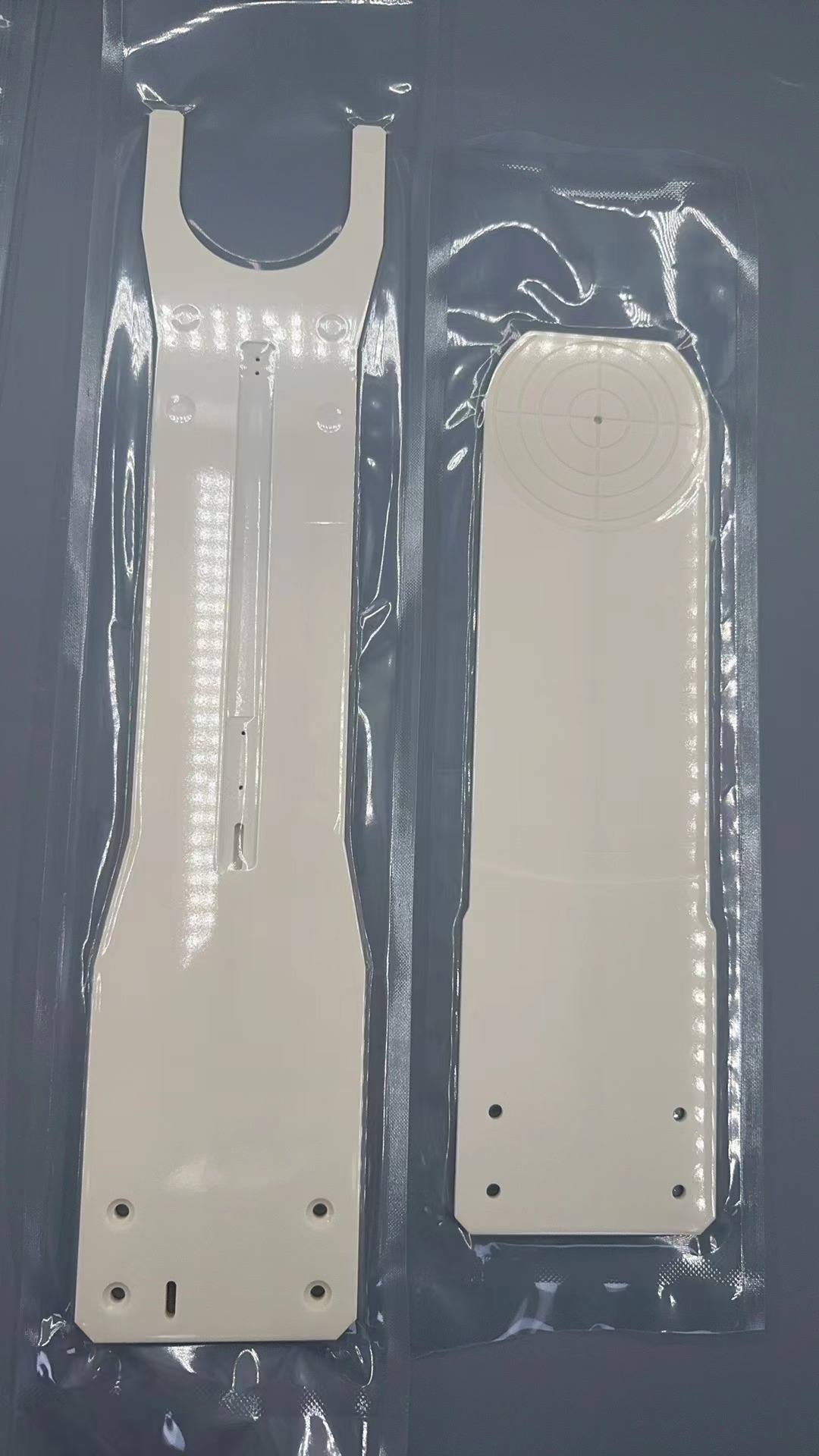
Depending on application needs, ceramic end effectors are available in three main types:
1. Contact-Type End Effectors
These end effectors rely on direct contact to support the weight of the object. Their high-strength ceramic structure ensures excellent wear resistance and long-term reliability during repetitive handling operations.
2. Vacuum-Type End Effectors
Vacuum ceramic end effectors use vacuum suction technology to grip and transfer wafers of various shapes and sizes. Their advanced design allows efficient handling of ultra-thin or warped wafers, which are often challenging for traditional vacuum cups. To ensure process integrity, these end effectors are engineered with high-purity materials and low metallic contamination, minimizing the risk of wafer surface damage during semiconductor production.
3. Mapping-Type End Effectors
Equipped with integrated mapping sensors, these end effectors precisely detect wafer positions, enabling accurate placement during high-speed automation. Mapping-type designs are especially critical in automated production lines, as they enhance throughput, reduce operational errors, and improve overall manufacturing efficiency.
With their exceptional precision and contamination control, ceramic end effectors have become an essential choice for advanced manufacturing environments where stability, reliability, and cleanliness are critical.
For more information or customization options:Semiconductor Robotic Arm /Semiconductor Ceramic Robotic Arm /Wafer Handling Ceramic Arm