

With the rise of third-generation semiconductors, power devices are rapidly advancing toward higher power density, miniaturization, integration, and multifunctionality. These developments place greater demands on packaging substrates, where ceramic materials have become an essential choice.
Ceramic substrates offer a unique combination of high thermal conductivity, excellent heat resistance, low thermal expansion, strong mechanical strength, outstanding insulation, corrosion resistance, and radiation tolerance. These features make them widely used in electronic packaging applications.
Currently, commonly used ceramic substrate materials include 96 Alumina Ceramic Substrate (Al2O3), Aluminum Nitride Ceramics (AlN), Si3N4 Ceramic Products, beryllium oxide (BeO), and silicon carbide (SiC). Each material has its advantages depending on the application requirements.
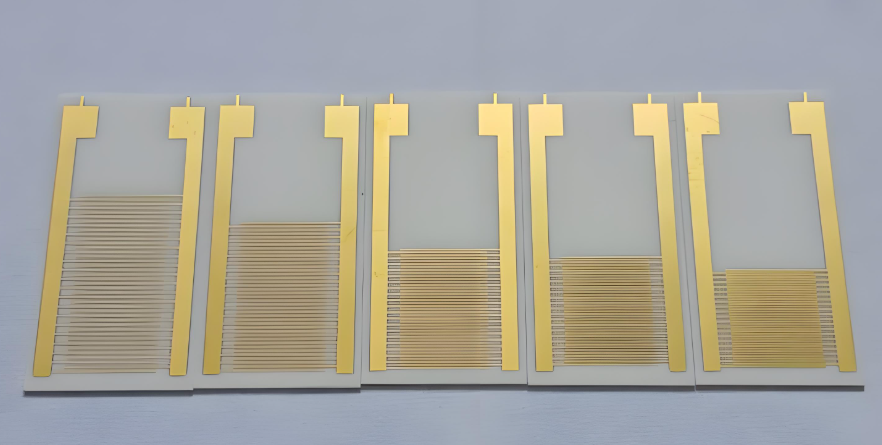
To meet the performance expectations of power devices, ceramic substrates must satisfy several critical requirements:
1. High thermal conductivity – ensuring efficient heat dissipation.
2. Excellent heat resistance – suitable for operation above 200°C.
3. Thermal expansion coefficient matching – reducing packaging stress with chip materials.
4. Low dielectric constant – enabling high-frequency performance and faster signal transmission.
5. High mechanical strength – maintaining reliability during packaging and application.
6. Strong corrosion resistance – withstanding acids, alkalis, boiling water, and organic solvents.
7. Dense microstructure – supporting hermetic sealing in electronic devices.
From Aluminum Nitride Ceramics with high thermal conductivity to Si3N4 Ceramic Products known for mechanical toughness, and Metalization Ceramics for reliable circuit integration, these materials are driving innovation in the power electronics industry.