

The Role of Ceramic Substrates in Electronic Packaging
In the world of advanced electronics, packaging is not merely a protective shell; it is a critical system that determines performance, reliability, and longevity. At the heart of this system lies the packaging substrate—a component that serves as the crucial interface, providing electrical interconnection, mechanical support, and the primary path for heat dissipation. Among available materials, ceramic substrates, particularly alumina ceramic substrates, have become the cornerstone for demanding applications in power semiconductors, RF, and automotive electronics.
Why Material Choice is Critical in Packaging
The substrate material directly impacts device performance. Key challenges include managing heat from high-power chips, ensuring stable electrical connections, and maintaining structural integrity under thermal stress. Compared to organic or metal substrates, ceramics offer a superior balance of essential properties.
The Unique Advantages of Ceramic
- High Thermal Conductivity: Efficiently draws heat away from sensitive semiconductor dies, preventing overheating.
- Excellent Electrical Insulation: Prevents short circuits even in high-voltage environments.
- Closely Matched CTE (Coefficient of Thermal Expansion): Similar to silicon and other semiconductor materials, reducing stress and failure during power cycling.
- High Mechanical Strength & Chemical Stability: Withstands harsh operating conditions and offers long-term reliability.
The Multifaceted Role of Ceramic Substrates
An Al2O3 ceramic substrate performs several simultaneous, critical functions within an electronic package.
1. Mechanical Foundation and Support
The substrate provides a rigid, stable platform to mount the semiconductor die, wire bonds, and other components. Puwei's Alumina Ceramic Structural Components exemplify this robustness, which is vital for applications exposed to vibration, such as in automotive systems.
2. Electrical Interconnection Hub
Through printed thick-film or thin-film metallization, the ceramic circuit board creates precise conductive pathways, connecting the die to the external pins or leads of the package.
3. Primary Thermal Management Path
This is arguably its most critical role. As a high thermal conductivity ceramic substrate, it acts as the main channel to transfer heat from the chip to the heat sink or housing. Effective designs, like those used in Thermoelectric Modules Ceramic Substrate, are crucial for performance.
Alumina Ceramic Substrates: The Industry Workhorse
Alumina (Al2O3) is the most widely used ceramic material in electronics packaging due to its optimal cost-to-performance ratio.
Key Performance Metrics
A 96% alumina ceramic substrate offers an ideal blend for many applications. Higher purity grades, like our 99.6 Alumina Ceramic Substrate, provide even better thermal and electrical properties for peak performance.
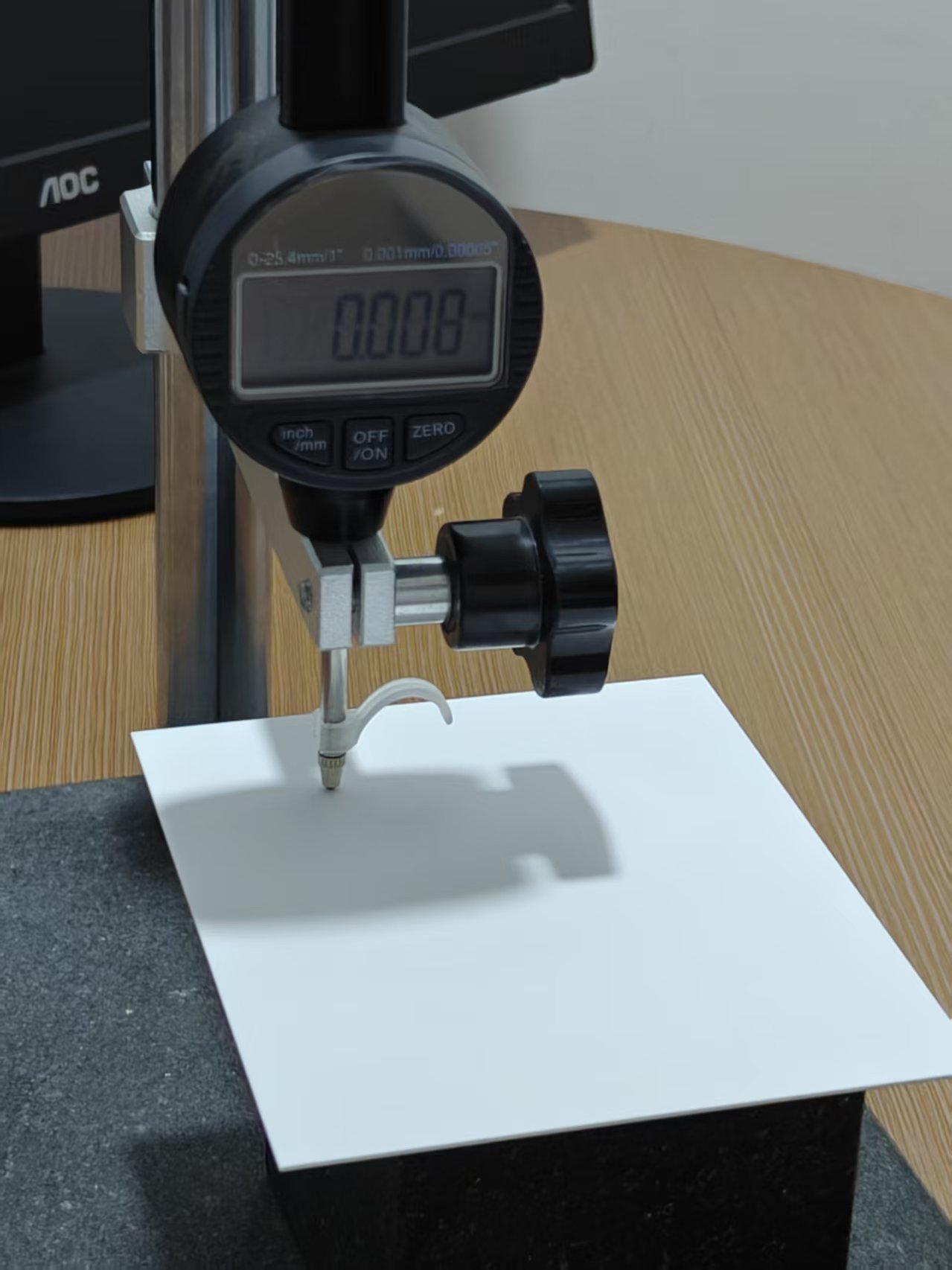
The Importance of Surface Finish
The substrate surface must be optimized for metallization. Options include:
- As-Fired: Standard finish for many applications.
- Polished: A Polished Grade Alumina Ceramic Substrate provides a smoother surface for fine-line printing.
- Mirror Finish: Our Mirror Finish Alumina Ceramic Substrate is essential for laser diode mounting and other precision applications.
Core Application Areas in Modern Electronics
The functionality of ceramic substrates makes them indispensable across industries.
- Power Semiconductor Packaging: Essential for IGBTs, MOSFETs, and power modules, where they serve as power device ceramic substrates to handle high currents and heat.
- LED Packaging: As an LED ceramic baseplate, they ensure brightness and longevity by effectively dissipating heat from high-power LED chips.
- Automotive Electronics: Used in engine control units, sensors, and power converters, these automotive electronic ceramic substrates must endure extreme temperatures and vibration.
- Microwave & RF Packaging: Their low electrical loss makes microwave RF ceramic substrates ideal for high-frequency circuits in communications and radar.
Industry Trends and Technological Advancements
The demand for higher power density and miniaturization is driving innovation.
- Increased Integration: Substrates are evolving into complex, multi-functional platforms that integrate passive components.
- Demand for Higher Thermal Conductivity: While alumina remains popular, there is growing use of AlN and advanced composites for extreme applications.
- Precision and Customization: The need for custom ceramic substrates with specific geometries, holes, or features is rising for specialized packages and robotics, such as components for Semiconductor Robotic Arm systems.
Frequently Asked Questions (FAQ)
Why choose ceramic over metal-core or organic PCB for packaging?
Ceramic provides the perfect triad: excellent insulation, good thermal conductivity, and a CTE matching the semiconductor chip. Metal cores require an insulating layer that can impede heat flow, while organics lack the thermal performance and high-temperature resistance of ceramics.
How do I choose between 96% and higher-purity alumina?
Select 96% alumina ceramic substrate for a cost-effective solution with proven performance. Opt for higher purity (e.g., 99.6%) when you need maximum thermal conductivity, superior surface finish, and enhanced electrical insulation for the most demanding applications.
What support does Puwei offer for custom packaging solutions?
Puwei provides comprehensive engineering support, from material selection and design review to advanced machining and finishing. We specialize in creating custom ceramic substrates tailored to your specific thermal, electrical, and mechanical requirements.