

In the demanding landscapes of modern manufacturing and technology, where processes push the boundaries of heat and precision, the choice of a heating element becomes a critical strategic decision. For B2B procurement managers across aerospace, semiconductor, and advanced materials sectors, the shift from traditional metal heaters to High-Temperature Co-fired Ceramic (HTCC) solutions is accelerating. This article explores why HTCC Ceramic Heater Elements are redefining performance standards and outlines the key evaluation criteria for sourcing these advanced components.
The Rising Demand for Advanced Thermal Management Solutions
The global drive towards higher efficiency, miniaturization, and process intensity is fueling innovation in thermal technology. HTCC heaters, with their ability to operate reliably above 1000°C, are at the forefront of this shift. Unlike conventional heaters, HTCC technology integrates the heating resistor directly within a dense, high-purity ceramic body during a co-firing process, resulting in unparalleled structural integrity and performance.
Latest Industry Trends & Technology Dynamics
Current trends point towards integrated, multifunctional ceramic packages. The latest HTCC Ceramic Heater Heating Element designs are no longer just heaters; they are becoming complete thermal management platforms. This includes integration with embedded sensors for real-time temperature feedback, structures that facilitate ultra-high vacuum (UHV) compatibility, and geometries optimized for rapid thermal cycling in semiconductor wafer processing and metal heat treatment applications. The push for Industry 4.0 is also driving demand for heaters with predictable performance data for predictive maintenance algorithms.
5 Critical Evaluation Points for欧美采购商 Sourcing HTCC Heaters
Procurement specialists must look beyond basic specifications. Here are the five essential factors to consider:
- Material Purity & Structural Integrity: The substrate's alumina purity directly influences long-term stability and outgassing. Look for suppliers who control their material supply chain and can provide High-purity alumina-based HTCC ceramic with consistent microstructures.
- Thermal Uniformity & Response Time: How evenly does the heat spread across the active surface? Inconsistent hot spots can ruin processes. Superior Thermal Conductivity and optimized resistor patterning are key.
- Reliability Under Thermal Cycling: The heater must withstand repeated heating and cooling without delamination or resistor failure. This is where the co-fired construction's superior thermal shock & stress resistance outperforms bonded alternatives.
- Customization & Design Support: Can the supplier engineer a heater for your specific vacuum furnace or chemical vapor deposition (CVD) chamber? A true partner offers comprehensive OEM/ODM design and prototyping services.
- Total Lifetime Cost & Power Efficiency: Evaluate the operational cost. Efficient embedded heating resistor designs and minimal thermal mass lead to lower energy consumption and higher throughput, offering a better ROI than cheaper, less efficient options.
Puwei's HTCC Ceramic Heater: Engineered for Extreme Performance
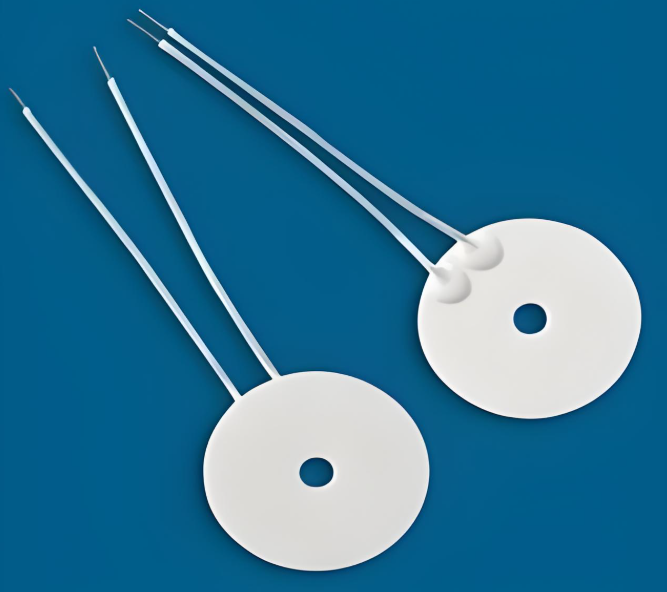
Puwei's HTCC Ceramic Heater Heating Element is engineered to excel in the most challenging environments, from crystal growth furnaces to aerospace component testing rigs. It represents the synthesis of advanced materials science and precision manufacturing.
Core Technical Advantages & Specifications
Our heaters are built on a foundation of superior specifications and intelligent design:
- Unmatched Temperature Range: Capable of sustained operation from 800°C to 1600°C, catering to processes from annealing to sintering.
- Superior Material Composition: Utilizing a proprietary high-purity ceramic formulation for excellent Chemical Stability and corrosion resistance in aggressive atmospheres.
- Precision-Integrated Resistors: Featuring Tungsten, platinum, or specialized alloys co-fired into the ceramic, ensuring optimal heat transfer and eliminating failure points common in attached elements.
- Robust Mechanical Properties: The monolithic structure provides high mechanical strength and exceptional resistance to thermal shock, crucial for rapid thermal processing (RTP) applications.
Industry Standards and Manufacturing Excellence at Puwei
Quality in HTCC components is governed by stringent industry protocols, including material standards (like those from ASTM), electrical safety certifications, and customer-specific performance validations. Puwei's manufacturing philosophy is built around not just meeting, but exceeding these benchmarks.
State-of-the-Art Facility & Rigorous Process Control
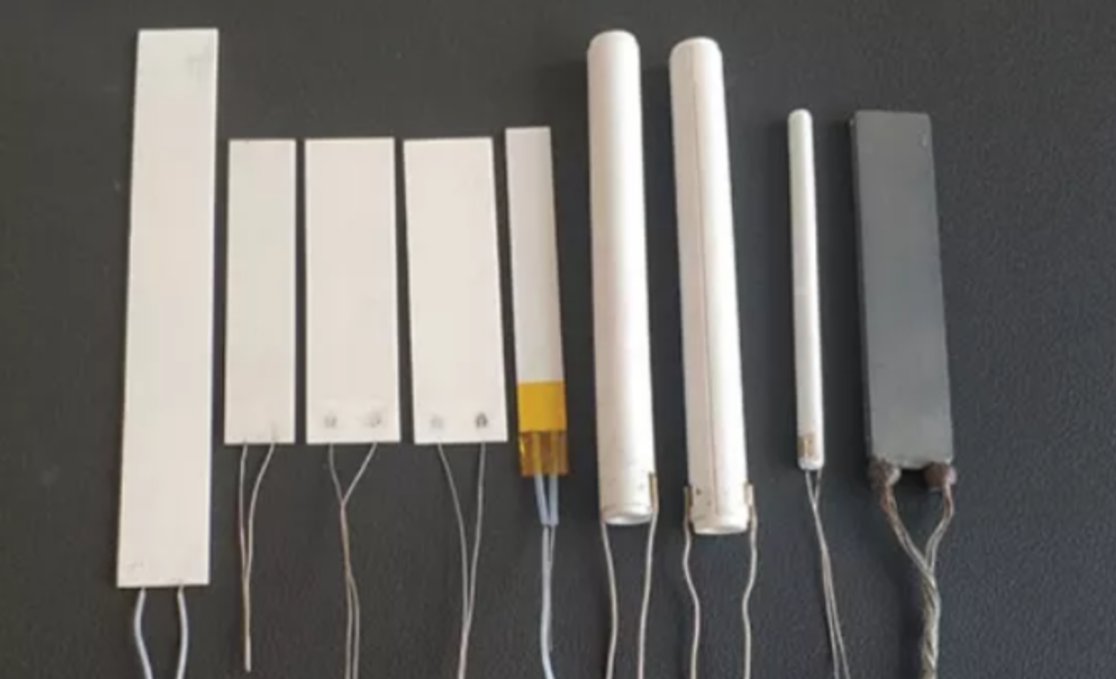
Our capability stems from significant investment in infrastructure. Puwei operates a dedicated advanced ceramics production complex featuring Class 10,000 cleanrooms for critical lithography and printing steps in heater patterning. Our in-house high-temperature sintering furnaces allow for precise control over the co-firing cycle, which is vital for achieving the perfect densification and electrical properties in every Ceramic Heating Component we produce.
Innovation at the Core: Puwei's R&D Commitment
Our dedicated R&D team, with over 20% of the company's revenue reinvested into research, is focused on pushing the boundaries of HTCC technology. Recent innovations include developing multi-zone heater designs for gradient thermal profiles and advancing low-thermal-mass architectures for faster cycle times in analytical instrument applications. These efforts ensure our partners are equipped with future-ready thermal management solutions.
Optimal Use, Handling, and Maintenance Guidelines
To ensure maximum performance and lifespan of your HTCC heater, proper procedures are essential.
Recommended Installation & Break-in Steps:
- Initial Inspection & Handling: Always use clean, powder-free gloves. Inspect for any visible cracks or damage to the Electrode Design terminals before installation.
- Secure & Proper Mounting: Mount the heater on a flat, stable surface using recommended fixtures. Avoid applying point stress or bending moments on the ceramic body.
- Electrical Connection: Use appropriate high-temperature leads and connectors. Ensure connections are tight to prevent arcing at the terminals, which is critical for High frequency module compatibility.
- Controlled First Power-Up: Perform an initial thermal cycle at a reduced power level to stabilize the component before ramping to full operational parameters.
Operational & Maintenance Best Practices:
- Environment: Ensure the operating atmosphere is compatible with the heater's material specifications to prevent premature degradation.
- Cycling: While built for durability, minimizing unnecessarily rapid thermal quenches can extend service life.
- Monitoring: Regularly check input power and temperature consistency. A gradual increase in power needed to achieve the same temperature can indicate aging or environmental buildup.
- Cleaning: Consult the manufacturer for approved cleaning methods. Often, dry, inert gas blowing is sufficient; chemical cleaning requires specific compatibility checks.
Frequently Asked Questions (FAQ)
Q1: What are the main advantages of HTCC heaters over molybdenum disilicide (MoSi2) or Kanthal wire heaters?
A: HTCC heaters offer superior structural integrity and design flexibility. They are monolithic, eliminating the risk of wire sagging or shorting. They provide more uniform heat distribution, can be fabricated into complex shapes (including 3D structures), and typically have better oxidation resistance in certain atmospheres compared to metallic elements.
Q2: Can Puwei customize the heating pattern or create multi-zone heaters?
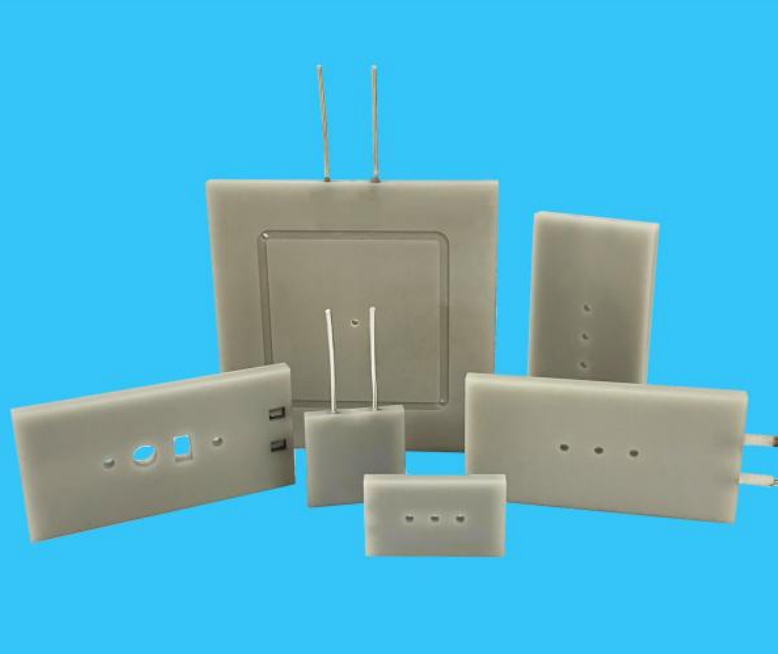
A: Absolutely. As a specialist in custom ceramic components, we routinely design heaters with specific thermal profiles. Using advanced printing techniques, we can create distinct heating zones on a single substrate, allowing for precise gradient temperature control essential in research and development or specialized manufacturing processes.
Q3: What is the typical lead time for a custom-designed HTCC heating element?
A: Lead time depends on complexity. For a standard custom design, expect 14-18 weeks. This encompasses design finalization, material preparation, printing, co-firing, finishing, and rigorous electrical and thermal testing to ensure performance matches specifications.