

As the wireless world accelerates towards 5G-Advanced, IoT proliferation, and satellite communications, the demand for precise, reliable radio frequency (RF) filtering has never been greater. At the core of this capability are Surface Acoustic Wave (SAW) filters, and their performance is intrinsically linked to their packaging. For B2B procurement managers sourcing components for telecommunications infrastructure, automotive radars, or consumer electronics, understanding the intricacies of SAW Filter Packaging is paramount. This article explores the evolution of ceramic-based packaging solutions and provides a strategic framework for evaluation and sourcing.
The Evolution of SAW Packaging: Beyond Simple Protection
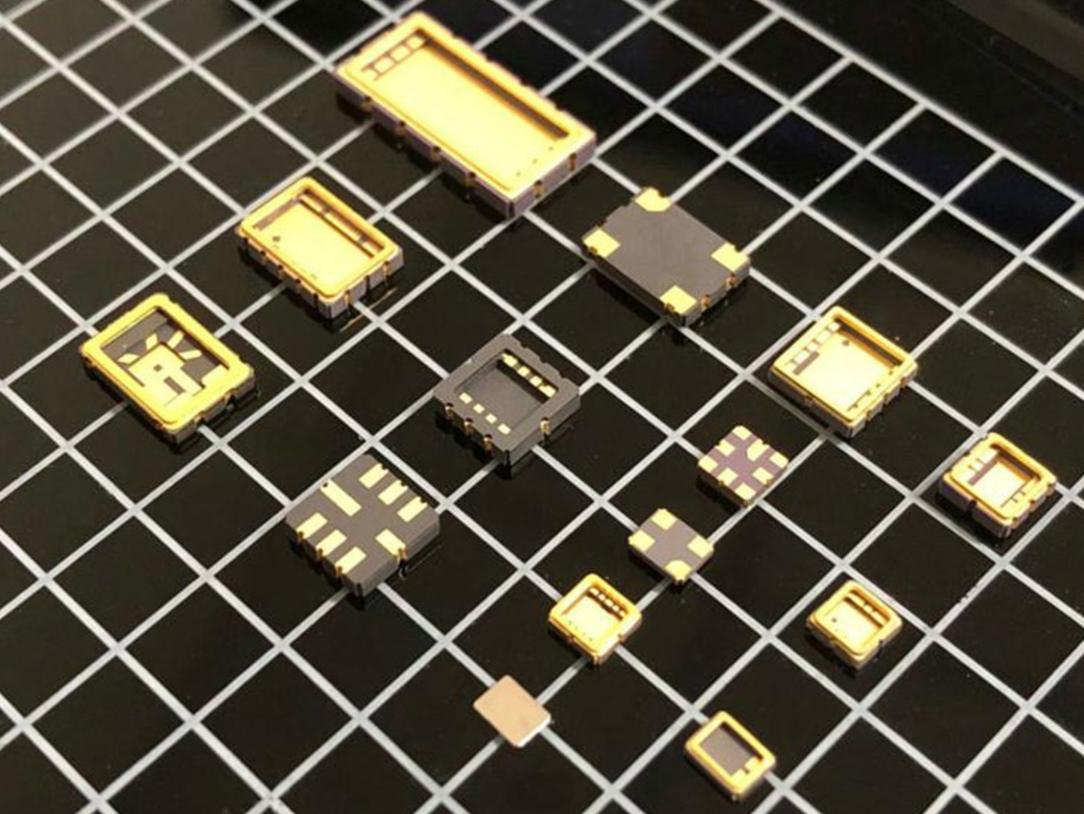
The primary role of a SAW filter package has evolved from basic environmental protection to being an active part of the electrical and thermal performance system. The substrate and enclosure must provide not just hermeticity, but also precise impedance matching, minimal signal loss, and effective heat dissipation—all while shrinking in size to accommodate higher component density.
Latest Industry Technology Dynamics
The current frontier in SAW Packaging Substrates Enclosure technology focuses on three key areas: frequency scaling to support Sub-6 GHz and mmWave bands, heterogeneous integration, and enhanced thermal management. As filters handle higher power levels in base station applications, materials like Aluminum Nitride (AlN) are gaining traction for their superior thermal conductivity (150-180 W/mK), preventing performance drift. Furthermore, the push for System-in-Package (SiP) designs requires substrates that can co-host SAW filters with RF Integrated Circuits (RFICs) and other passive components, a challenge well-met by advanced Metallized Ceramics and multilayer ceramic technologies.
5 Critical Evaluation Points for European and American Procurement Managers Sourcing SAW Packaging
Procurement decisions must balance performance, reliability, and total cost. Here are the five essential factors for selecting a Surface Acoustic Wave (SAW) Packaging partner:
- Material Properties & Signal Integrity: Does the substrate material (e.g., High-purity Alumina or AlN) offer low dielectric loss and a stable dielectric constant across the target frequency band? This is critical for maintaining filter insertion loss and shape factor.
- Thermal Management Performance: Can the package effectively dissipate heat, especially for high-power base station or automotive radar applications? Evaluate the Thermal Conductivity and consider AlN Ceramic Substrate options for the most demanding scenarios.
- Hermeticity & Long-Term Reliability: Does the enclosure meet or exceed relevant MIL-STD-883 standards for hermeticity? Protection against moisture and contaminants is non-negotiable for components in harsh environments like under-hood automotive electronics.
- Design Flexibility & Co-firing Capability: Can the supplier provide custom designs with embedded cavities, multi-layer interconnects, or CTE-matched substrates to reduce thermomechanical stress? This is essential for OEM/ODM projects requiring unique form factors.
- Manufacturing Precision & Yield: What is the supplier's capability for precision metallization and achieving tight tolerances on features like via holes and conductor lines? High manufacturing yield ensures consistent quality and stable supply.
Puwei's SAW Packaging Solutions: Engineered for RF Precision
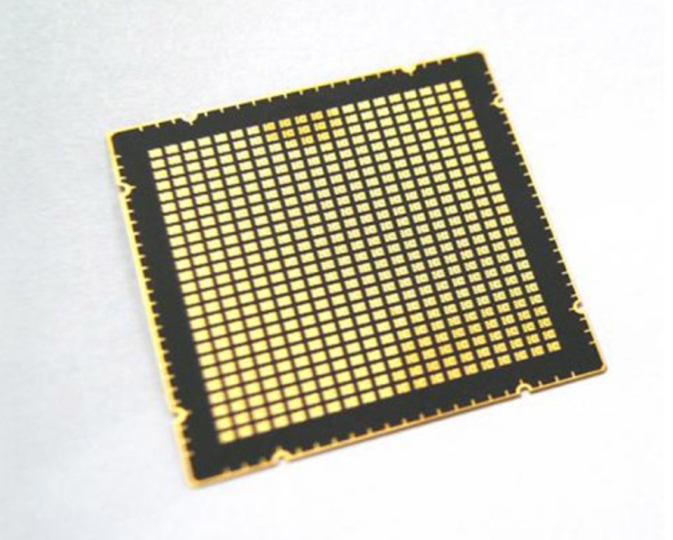
Puwei's Surface Acoustic Wave (SAW) Packaging Substrates and Enclosure Products are designed from the ground up to meet the stringent demands of modern RF systems. We leverage our deep expertise in advanced ceramics to provide solutions that go beyond mere containment.
Core Product Advantages & Specifications
Our product portfolio is built on a foundation of superior material science and precision engineering:
- Superior Material Options: We offer both High-purity Alumina Ceramic (Al₂O₃) for excellent electrical insulation and cost-effectiveness, and Aluminum Nitride (AlN) for applications where thermal conductivity is paramount, similar to our solutions for high-power DBC Ceramic Substrate applications.
- Advanced Metallization: Our precision metallization techniques using tungsten, molybdenum, or gold ensure reliable wire bonding and flip-chip attachment, critical for maintaining signal integrity in High-Frequency Modules.
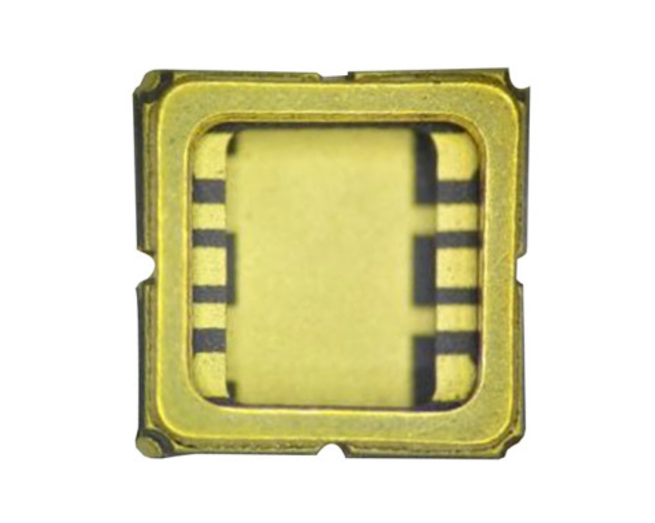
- Robust Hermetic Enclosures: Our ceramic lids and packages are designed for reliable sealing via seam welding or glass frit, providing the environmental protection needed for automotive and aerospace-grade components.
- Design for Manufacturing: We support both flip chip and SMT processes, and our substrates are engineered for compatibility with automated assembly lines, facilitating high-volume production.
Industry Standards and Manufacturing Excellence at Puwei
Quality in SAW packaging is defined by adherence to stringent international standards. Key benchmarks include hermeticity testing per MIL-STD-883 Method 1014, material purity standards, and electrical performance specifications from organizations like IEEE and IEC.
State-of-the-Art Manufacturing Infrastructure
Our ability to deliver consistent, high-quality components stems from our investment in advanced manufacturing. Puwei's facility houses automated tape casting lines for producing large-format, thin ceramic substrates and high-precision laser machining systems for creating intricate cavity structures and via patterns. Our in-house high-temperature co-firing kilns (1500°C - 1600°C) ensure optimal ceramic densification and metallization integrity, a process refined through our work on Thick Film Hybrid Microcircuits. This vertical integration allows for complete control over the entire production cycle.
R&D Focus: Pioneering Next-Generation Packaging
Innovation is central to our mission. Puwei's dedicated R&D team, with advanced degrees in materials science and electrical engineering, is actively developing next-generation solutions. Current projects include low-temperature co-fired ceramic (LTCC) substrates for higher frequency applications and embedded passive components within the substrate to reduce overall module size. These efforts ensure our partners have access to future-proof packaging technologies.
Optimal Handling, Integration, and Process Knowledge
Correct handling and integration are crucial to realizing the full performance of ceramic SAW packages.
Recommended Assembly Process Flow:
- Incoming Inspection & Storage: Inspect substrates and enclosures for chips, cracks, or contamination. Store in a controlled, dry environment.
- Substrate Preparation & Die Attachment: Clean the substrate bonding pad. Attach the SAW die using a recommended epoxy or eutectic solder, ensuring proper alignment.
- Electrical Interconnection: Perform wire bonding (using gold or aluminum wire) or flip-chip bonding to establish electrical connections between the die and the substrate's metallized traces.
- Pre-Sealing Clean & Bake: Clean the assembled unit to remove flux residues and moisture, followed by a controlled bake-out cycle.
- Hermetic Sealing: Attach the ceramic lid using either seam welding (for metal-lidded packages) or glass frit sealing in a controlled atmosphere furnace.
- Final Testing & Validation: Conduct 100% electrical testing (insertion loss, return loss) and sample-based hermeticity testing per relevant standards.
Key Maintenance & Reliability Considerations:
- ESD Protection: Always handle unpackaged dies and substrates in an ESD-safe environment.
- Thermal Cycling: While designed for reliability, minimizing extreme and rapid thermal cycles during prototyping and testing can extend component life during the development phase.
- Cleaning: Post-assembly cleaning (if required) must use solvents compatible with the sealing materials and internal adhesives.
Frequently Asked Questions (FAQ)
Q1: When should I choose an Aluminum Nitride (AlN) substrate over Alumina for a SAW filter package?
A: Choose AlN Ceramic Substrate when your SAW filter operates at high power levels (common in base station transmit filters or automotive radar) where heat dissipation is a primary concern. AlN's thermal conductivity is 5-8 times higher than standard alumina. For lower-power, cost-sensitive applications like consumer IoT devices, high-purity alumina remains an excellent choice.
Q2: Can Puwei provide fully customized cavity dimensions and metallization patterns?
A: Absolutely. As an experienced OEM/ODM partner, we specialize in custom solutions. We can engineer substrates with specific cavity depths, multiple routing layers, and custom metallization patterns to match your SAW die layout and external connection requirements, leveraging capabilities similar to our Microelectronics Packaging services.
Q3: What are the key differences in the sealing process for ceramic vs. metal enclosures?
A: Ceramic packages typically use a glass frit sealing process, where a glass preform is melted to bond the ceramic lid to the base. This offers excellent hermeticity and compatibility with the ceramic's CTE. Metal lids on ceramic packages usually employ seam welding, which is faster and suitable for high-volume production. The choice depends on volume, cost targets, and the specific sealing reliability requirements of the end application.