

AMB (Active Metal Brazing) ceramic substrates are advanced materials widely used in high-performance electronic and power modules. They are known for their excellent thermal conductivity, mechanical strength, and reliability.
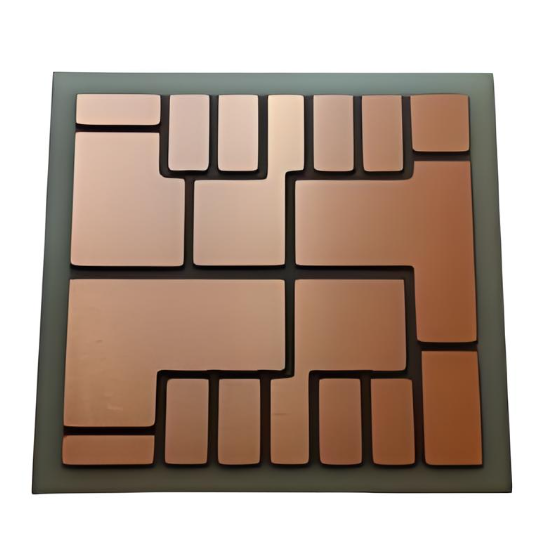
What is AMB?
AMB stands for Active Metal Brazing, a process used to bond metal (like copper) to ceramic materials. This technique creates a strong, reliable connection between the metal and ceramic, making it ideal for high-power applications.
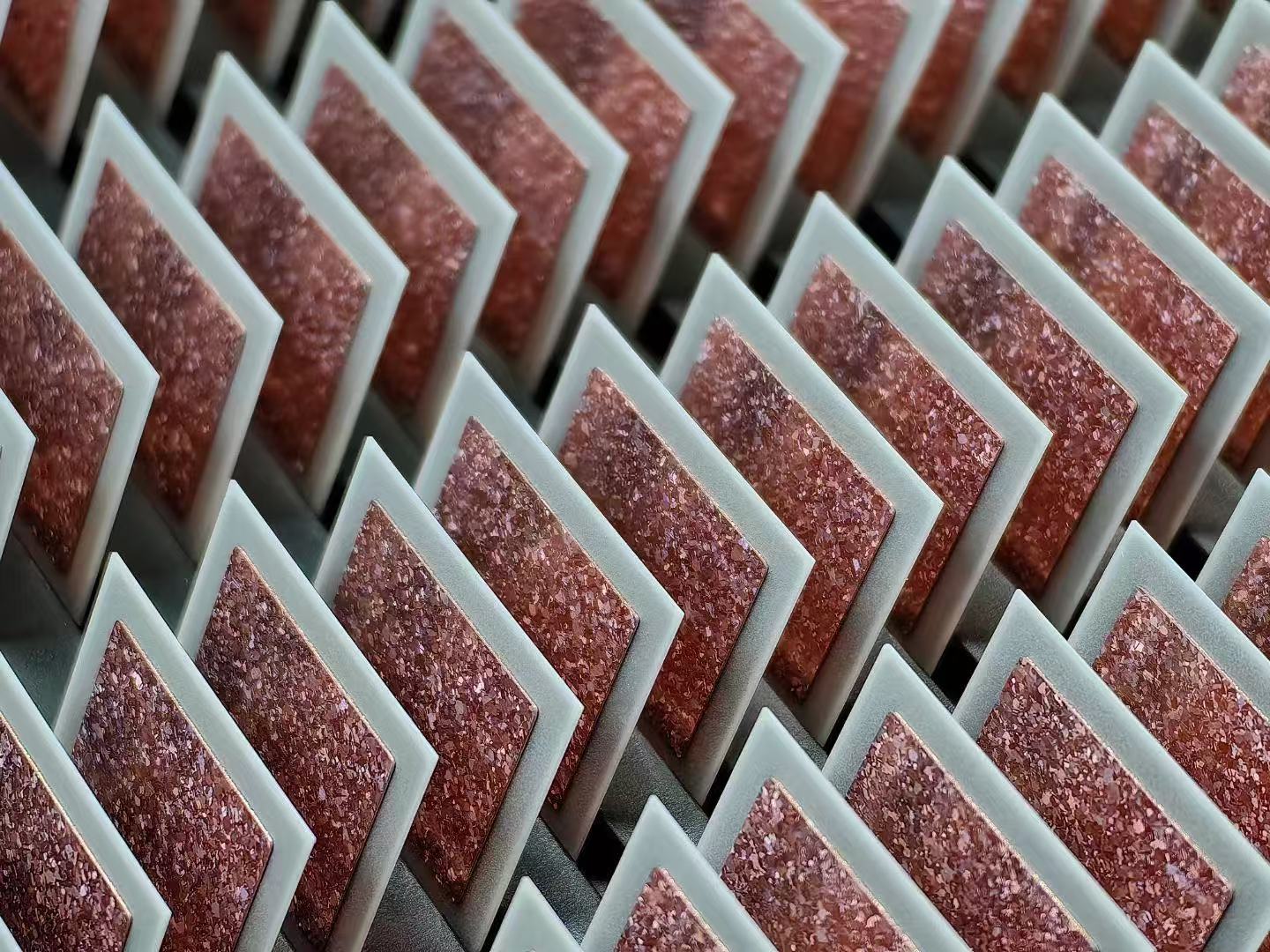
Silicon Nitride (Si₃N₄) Ceramic:
Silicon Nitride (Si₃N₄) is a type of ceramic material known for its exceptional thermal and mechanical properties. It has high thermal conductivity, excellent resistance to thermal shock, and strong mechanical strength, making it perfect for demanding environments.
AMB Silicon Nitride Ceramic Substrate:
This refers to a substrate where Silicon Nitride (Si₃N₄) ceramic is bonded to a metal layer (usually copper) using the AMB process. The result is a high-performance substrate that combines the thermal and mechanical benefits of Si₃N₄ with the electrical conductivity of copper.
Si₃N₄ Ceramic AMB Substrate:
This is another way of describing the same product. It emphasizes that the substrate is made of Si₃N₄ ceramic and uses the AMB process to attach the metal layer. These substrates are commonly used in power electronics, electric vehicles, and renewable energy systems.
Si₃N₄ Ceramic AMB Copper-clad Substrate:
This term highlights that the substrate has a copper layer bonded to the Si₃N₄ ceramic using the AMB process. The copper layer provides excellent electrical conductivity, while the Si₃N₄ ceramic ensures high thermal performance and durability.
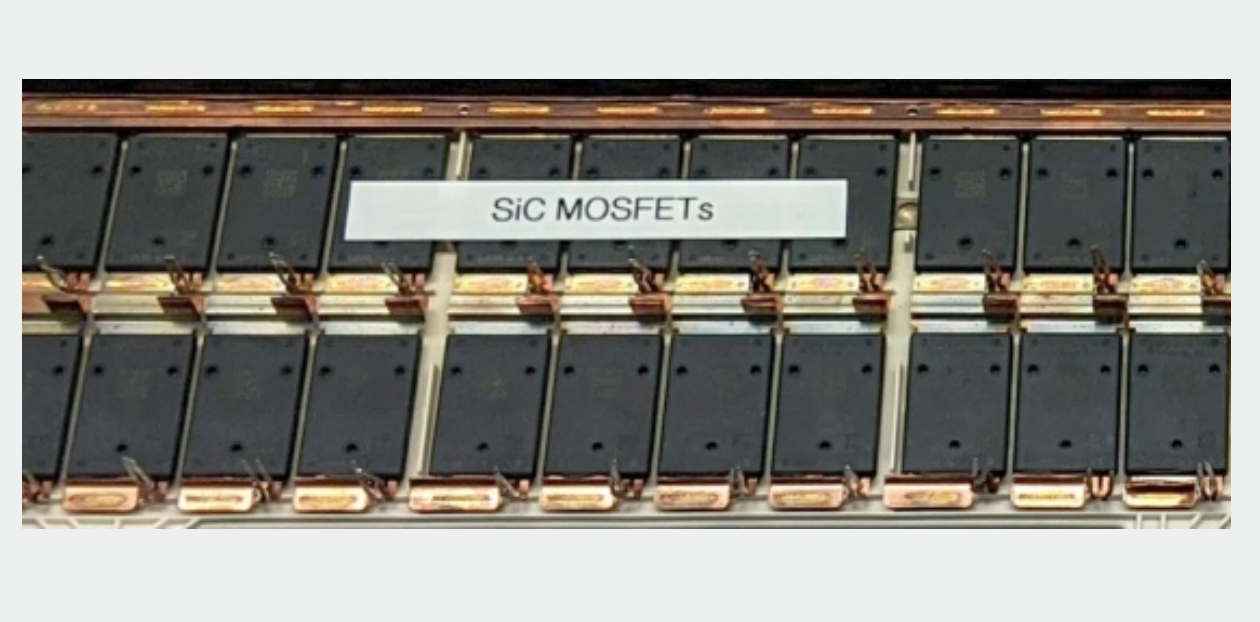
Why are AMB Ceramic Substrates Important?
High Thermal Conductivity: They efficiently dissipate heat, which is critical for high-power devices.
Strong Bonding: The AMB process creates a robust connection between the ceramic and metal, ensuring long-term reliability.
Thermal Shock Resistance: Si₃N₄ ceramic can withstand rapid temperature changes, making it ideal for harsh environments.
Wide Applications: These substrates are used in industries like automotive (electric vehicles), renewable energy (solar inverters), and power electronics (IGBT modules).