

In the nanoscale world of semiconductor manufacturing, where atomic-level precision determines yield, the humble wafer holder is anything but simple. For procurement managers sourcing equipment for next-generation fabs, the Electrostatic Chuck (ESC) is a critical, performance-defining component. Among the various materials used, Aluminum Nitride (AlN) ceramic ESCs have become the gold standard for advanced processes. This article explores why AlN ESCs are indispensable, what to look for when sourcing them, and how they enable the future of chipmaking.
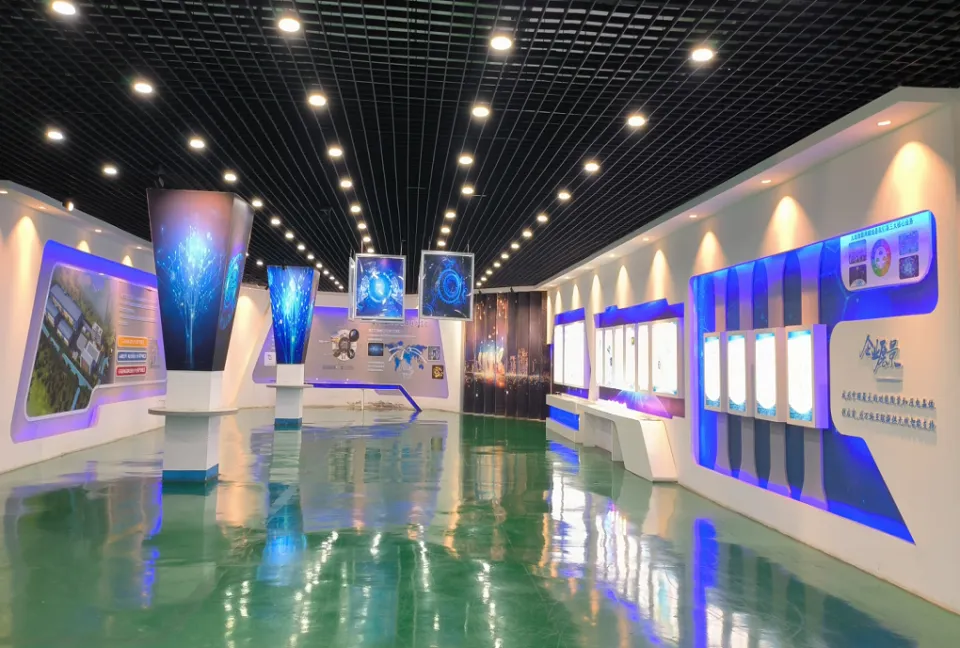
Advanced manufacturing facilities are essential for producing the high-purity, defect-free AlN ceramics used in ESCs.
The Electrostatic Chuck: More Than Just a Holder
An ESC is a specialized substrate used in vacuum process chambers to hold semiconductor wafers in place during manufacturing. Unlike mechanical clamps, it uses electrostatic force—applying a voltage to generate an attractive force between the chuck and the wafer. This provides uniform, contamination-free clamping across the entire wafer surface, which is critical for processes like:
- Plasma Etching & Deposition (CVD, PVD): Where precise temperature control and wafer stability are paramount.
- Ion Implantation: Requiring consistent electrical properties for proper charge dissipation.
- Lithography & Inspection: Demanding extreme flatness and thermal stability.
The core function of an ESC is twofold: secure clamping and precise thermal management. This is where the material choice becomes decisive.
Why Aluminum Nitride (AlN) is the Ideal ESC Material
While other ceramics like Alumina (Al₂O₃) are used, AlN offers a superior combination of properties tailored to the escalating demands of semiconductor processing.
1. Exceptional Thermal Conductivity (170-200 W/m·K)
This is AlN's standout feature. High thermal conductivity ensures rapid and uniform heat transfer across the entire chuck surface. This allows for:
- Precise Temperature Control: Achieving temperature uniformity of ±1°C across a 300mm wafer, critical for process consistency.
- Efficient Cooling/Heating: Quickly removing heat generated by plasma processes or enabling fast thermal cycling for advanced recipes.
- Prevention of Hotspots: Eliminating localized temperature variations that can cause wafer warpage or non-uniform etching/deposition.
2. Tunable Electrical Resistivity & High Dielectric Strength
AlN's volume resistivity can be engineered within a wide range (10¹⁰-10¹⁴ Ω·cm) by doping. This is crucial for:
- Effective Chucking & De-chucking: Generating a strong, reliable electrostatic force (50-500 mbar) and allowing for quick wafer release.
- Charge Dissipation: Preventing charge buildup that could damage sensitive devices on the wafer.
- Electrical Isolation: Dielectric strength >15 kV/mm ensures safe operation at high voltages.
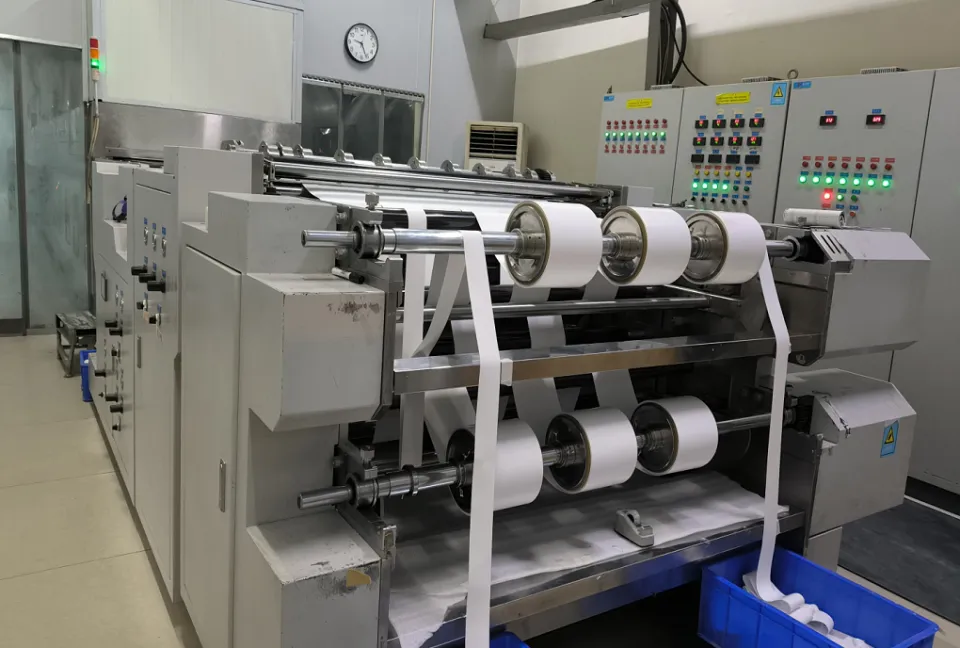
Meticulous quality control ensures the surface flatness (TTV ≤5µm) and electrical properties of each AlN ESC.
3. Superior Mechanical & Chemical Stability
With high hardness, excellent wear resistance, and inertness to most process gases and plasmas, AlN ESCs offer long service life and minimal particle generation, maintaining the ultra-clean environment of the process chamber. This robustness is comparable to that required for other demanding components like SiC robotic arms.
5 Critical Sourcing Considerations for AlN ESCs
-
Thermal Performance Data & Uniformity Guarantees
Do not accept generic thermal conductivity values. Request site-specific thermal mapping data (e.g., infrared thermography results) showing temperature uniformity across the entire chuck surface under simulated load conditions. This directly impacts your process yield.
-
Surface Flatness (TTV) and Finish
Total Thickness Variation (TTV) of ≤5µm is standard for advanced nodes. Any bow or warp can cause focus issues in lithography or non-uniform processes. Verify the supplier's capability to measure and certify TTV. A mirror-like surface finish is also critical for minimizing particle trapping.
-
Electrode Design & Integration Expertise
The electrode pattern (monopolar, bipolar, multipolar) and its integration into the AlN ceramic are proprietary. The supplier must have deep expertise in designing electrodes for optimal chucking force, uniformity, and de-chucking reliability. This is a core differentiator between a component vendor and a true solutions partner.
-
Material Purity and Process Compatibility
High-purity AlN is essential to avoid metallic contamination that could poison semiconductor devices. Ensure the material is compatible with all intended process chemistries (including aggressive plasmas). The supplier should provide material certification and, ideally, have experience with similar Electronic Ceramic Products in semiconductor tools.
-
Reliability, Lifespan, and Service Support
Inquire about Mean Time Between Failures (MTBF) data and expected service life under specific process conditions. A reputable supplier will also offer refurbishment or recoating services for worn electrodes, extending the chuck's lifecycle and reducing total cost of ownership.
Technology Trends Driving ESC Development
Transition to Larger Wafer Sizes (450mm) and Advanced Nodes (<3nm)
As wafers grow larger and features shrink, the requirements for thermal uniformity and flatness become exponentially stricter. This pushes the limits of AlN material quality and manufacturing precision for ESCs.
Integrated Heating and Multi-Zone Temperature Control
Next-generation ESCs are evolving into sophisticated thermal platforms with embedded resistive heaters and multiple independent temperature zones. This allows for active edge-to-center temperature compensation and complex thermal profiles, requiring advanced metallization techniques and co-firing expertise.
Demands of New Materials and Processes
The rise of 3D NAND, advanced packaging, and the use of new wafer materials (like compound semiconductors) creates new challenges for clamping and thermal management. ESCs must adapt to handle thinner, more fragile wafers and higher process temperatures.
Continuous R&D is focused on optimizing AlN properties and integration methods for next-generation ESCs.
Operation and Maintenance Best Practices
To ensure peak performance and longevity of an AlN ESC:
- Proper Installation & Conditioning: Follow the manufacturer's installation procedure precisely. New chucks often require a "burn-in" or conditioning cycle to stabilize electrical properties.
- Regular In-situ Cleaning: Implement a preventive maintenance schedule for plasma cleaning within the tool to remove polymer films and contaminants that can affect chucking performance.
- Monitor Chucking Parameters: Track the voltage required to achieve standard chucking force over time. A gradual increase can indicate surface contamination or aging.
- Handle with Extreme Care: AlN is hard but brittle. Avoid any mechanical impact or improper handling that could cause micro-cracks.
- Professional Refurbishment: When performance degrades, use the manufacturer's authorized service for electrode recoating or surface repolishing instead of attempting in-house repairs.
Relevant Industry Standards & Compliance
ESC manufacturing and performance are guided by several critical standards:
- SEMI Standards: A comprehensive suite of standards for semiconductor equipment, including those related to wafer handling, dimensions (e.g., SEMI M1 for 300mm wafers), and safety.
- ISO 14644: Cleanroom standards governing the manufacturing and assembly environment for ESCs.
- ISO 9001:2015: Quality management system certification is a baseline requirement for any serious supplier.
- Electrical Safety Standards: Such as IEC 61010, for equipment used in electrical testing environments.
- Material Purity Standards: For high-purity AlN ceramics, often referencing test methods like ASTM or JIS standards for impurity analysis.
Engineering Excellence in Advanced Ceramics
Manufacturing a reliable AlN ESC requires more than just machining a ceramic disc. It demands vertical integration and deep materials science expertise.
Advanced Manufacturing Infrastructure
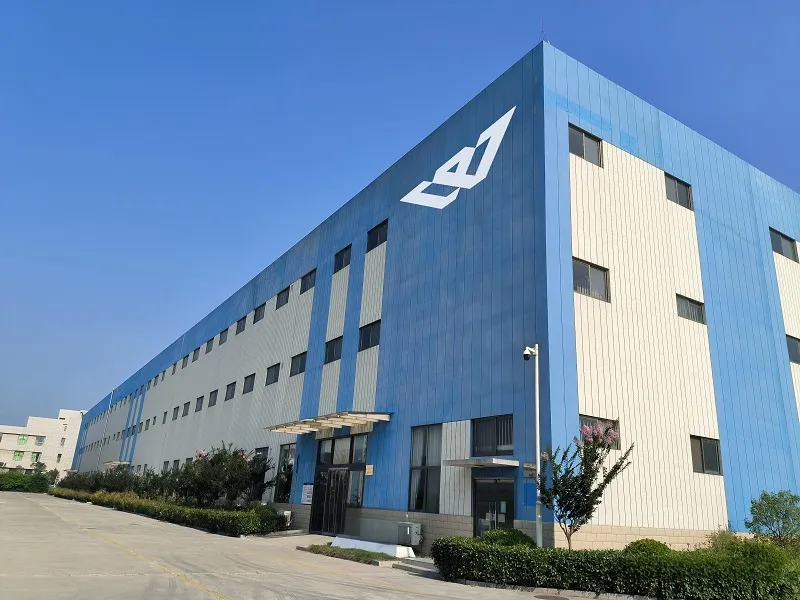
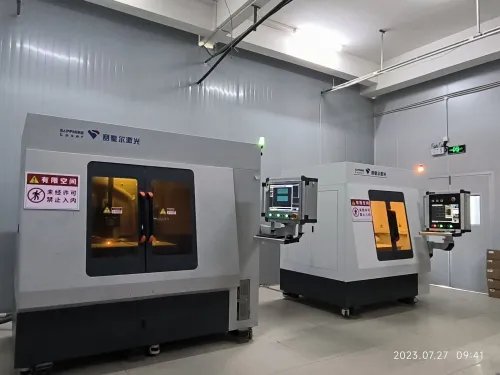
Producing ESCs requires a controlled environment from start to finish. From precision forming and high-temperature sintering in atmosphere-controlled furnaces to diamond grinding for achieving sub-micron flatness and cleanroom assembly, each step must be meticulously managed. Our 3,500 sq.m. facility houses the specialized equipment necessary for this level of precision manufacturing.
Advanced CNC machining ensures complex features and tight tolerances for ESC components.
Focused R&D on Material and Integration
The development of AlN ESCs is driven by a dedicated R&D team with expertise in ceramic sintering, metallization, and electrical property engineering. This same expertise underpins our other high-performance products, such as AlN substrates for power modules and Si3N4 AMB substrates. Ongoing research focuses on optimizing grain structure for thermal performance, developing durable electrode systems, and enabling new functionalities like integrated sensors.
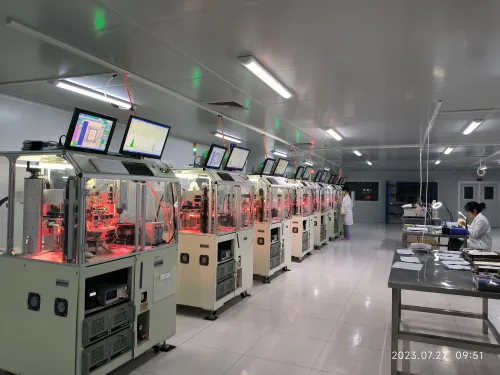
Rigorous metrology is applied to every ESC to verify dimensional, thermal, and electrical specifications.
Frequently Asked Questions (FAQ)
Q: How does AlN compare to Aluminum Oxide (Alumina) for ESCs?
A: Alumina is a good, cost-effective insulator and is used in many ESCs. However, AlN's thermal conductivity is 6-8 times higher, making it the clear choice for processes where precise and rapid temperature control is critical, such as high-power etch or deposition. AlN also offers better plasma erosion resistance.
Q: What is the typical lead time for a custom AlN ESC design?
A: Custom ESC development is a complex process involving design, prototyping, testing, and qualification. A realistic timeline from concept to first articles is typically 6-9 months. Close collaboration between the equipment maker's engineers and the ceramic supplier's application team is essential to shorten this cycle.
Q: Can ESCs be repaired if the surface is damaged or the electrode fails?
A: Minor surface scratches can sometimes be polished out. Electrode failure or severe damage usually requires a complete replacement of the ceramic body. Some suppliers offer recoating services for the electrode layer if the underlying ceramic is intact. Discuss repair and refurbishment options with your supplier upfront.
Q: Are there alternatives to ceramics for ESCs?
A: While ceramics (AlN, Al₂O₃) dominate, some ESCs use composite materials or anodized aluminum. However, these typically cannot match the thermal performance, purity, and durability of high-quality ceramics like AlN, especially for the most advanced semiconductor processes.